
Thermal Barrier Coating in Holladay, Utah
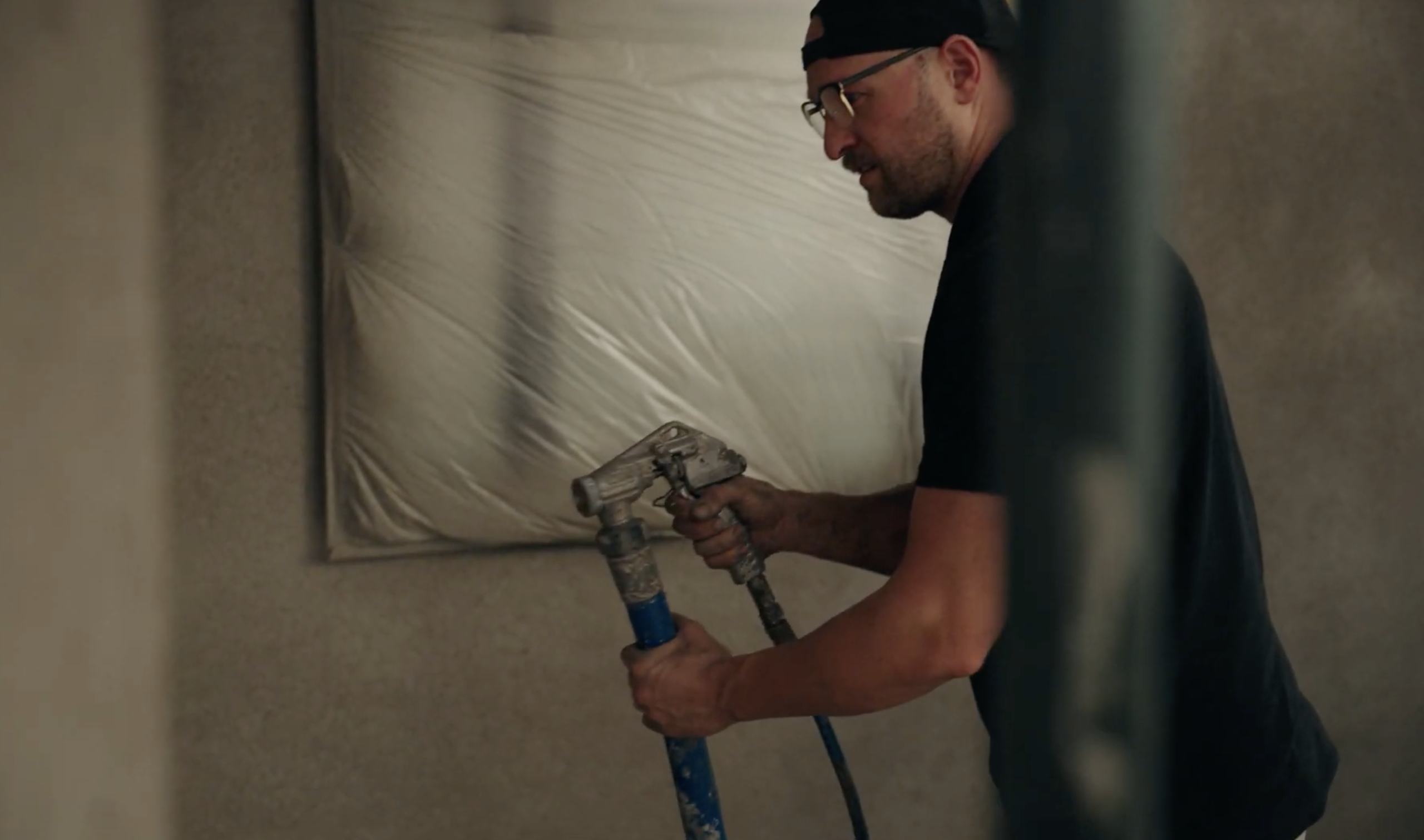
A Smarter Approach to Heat, Moisture, and Long-Term Exterior Performance
Holladay is not a typical environment for exterior materials—and that distinction matters more than most homeowners realize.
In neighborhoods stretching from Holladay City Center to the tree-lined streets near Walker Lane, and up toward the foothills beneath Mount Olympus, homes are exposed to constant shifts in temperature, sunlight, and airflow. This creates a pattern of ongoing thermal cycling, where surfaces repeatedly heat up and cool down throughout the day.
Over time, that cycle introduces thermal stress into exterior materials. And when materials can’t adapt, they fail.
That’s exactly why the conversation around thermal barrier coating has become more relevant in residential construction across Holladay.
Understanding Thermal Barrier Coatings at a Material Level
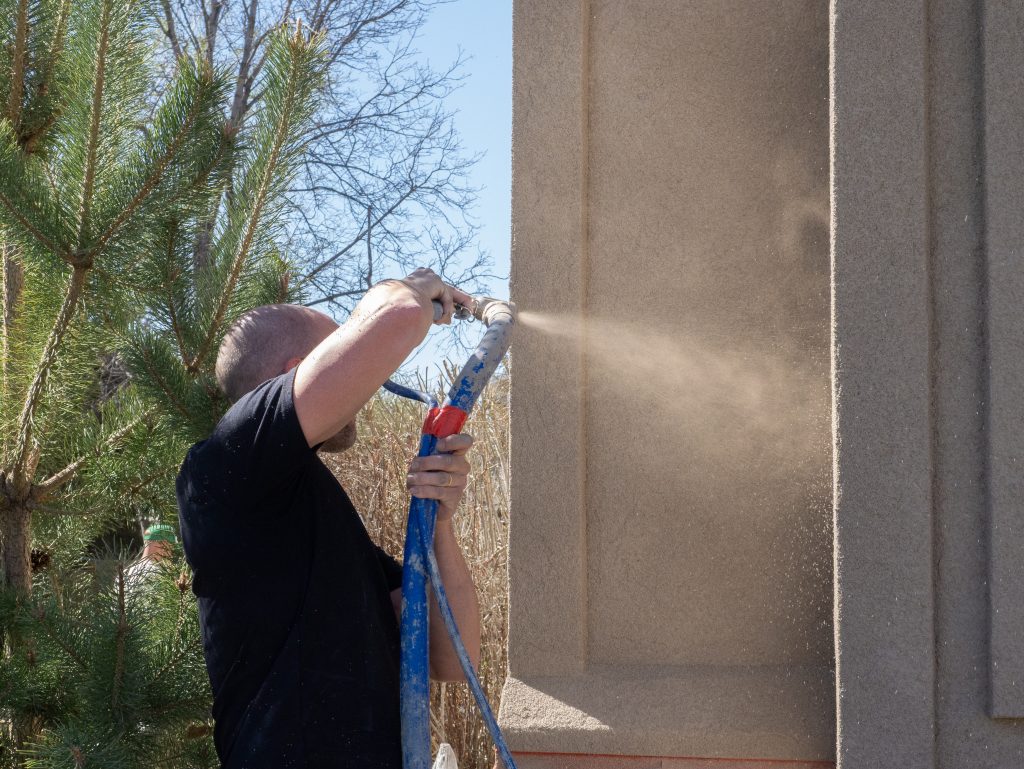
A true thermal barrier coating is not simply a surface finish—it’s a performance layer designed to control heat transfer, reduce thermal conductivity, and protect the underlying substrate from environmental stress.
In advanced applications, including aerospace and energy systems, thermal barrier coatings are engineered with a layered approach. A bond coat adheres to the substrate material, while a protective outer layer—often a ceramic coating—acts as a shield against high temperature exposure. These systems are applied using processes such as thermal spray coating, air plasma spray, or plasma spraying, all of which are designed to create a consistent and controlled coating thickness.
While residential buildings in Holladay don’t operate at turbine-level gas temperatures, the same principles of materials science still apply. Exterior walls are constantly exposed to heat, cold, and rapid environmental shifts. Without a proper thermal barrier, those forces are transferred directly into the structure.
Why Holladay Homes Experience More Thermal Stress
Holladay’s location along the Wasatch Front creates a unique microclimate that amplifies thermal cycling and thermal shock.
Morning shade from mature trees gives way to intense afternoon sun. Cold canyon air flows downward in the evening, rapidly lowering surface temperature. During winter, reflected sunlight off snow increases radiant heat exposure while underlying materials remain cold.
This constant fluctuation causes repeated thermal expansion and contraction within exterior materials. Over time, that movement leads to thermal fatigue, weakening the bond between layers and reducing the lifespan of traditional coatings.
When materials cannot absorb that movement, they begin to break down—often long before visible damage appears.
One of the most critical factors in exterior durability is thermal conductivity—the rate at which heat moves through a material.
Materials with high conductivity allow heat to pass quickly into and out of the structure. This increases energy demand and places additional strain on building systems. Materials with low thermal conductivity, on the other hand, slow this process down.
A properly engineered thermal barrier coating reduces heat flow at the surface, stabilizing temperature fluctuations and improving overall thermal efficiency. This is especially important in Holladay, where exterior walls are exposed to both summer heat and winter cold within the same structure.
Serving All of Utah
VIPEQ® proudly serves:
- Salt Lake County
- Utah County
- Davis County
- Weber County
- Washington County
Including:
Salt Lake City
West Valley City
South Jordan
Provo
Orem
Ogden
St. George
Layton
Leh
Draper
Sandy
Herriman
Cedar City
From northern Utah freeze-thaw cycles to southern Utah desert heat, our stucco repair solutions are engineered for statewide performance.
No matter where you’re located in Utah, your stucco repair receives the same commitment to durability and proper installation support.
How Thermal CorkShield™ Applies These Principles
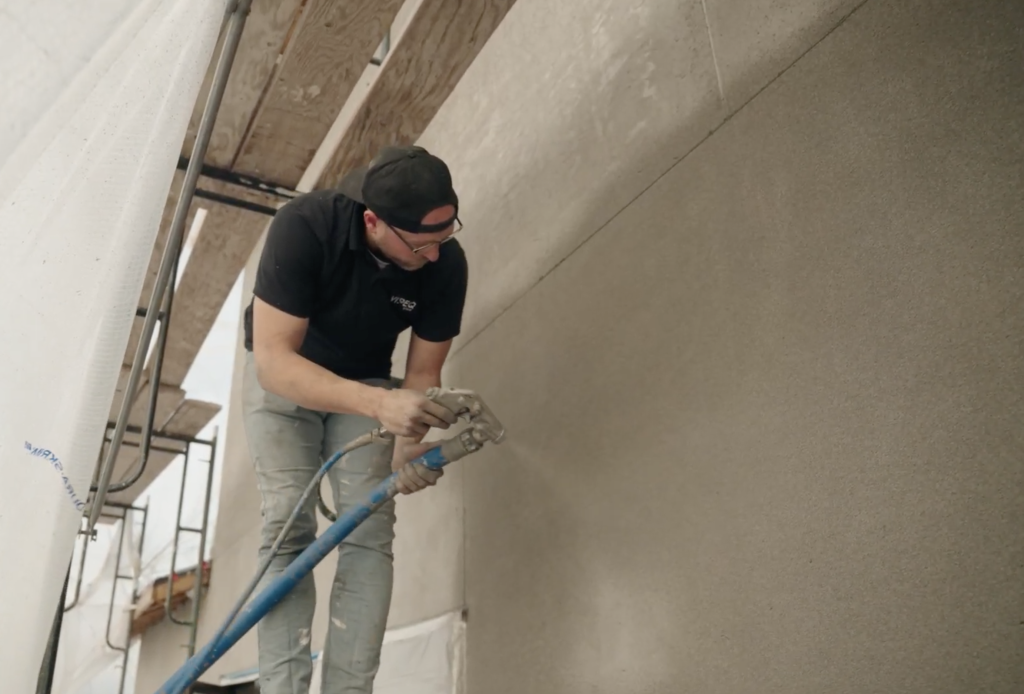
VIPEQ® Thermal CorkShield™ brings the concept of a thermal barrier coating into residential construction in a way that is both practical and effective.
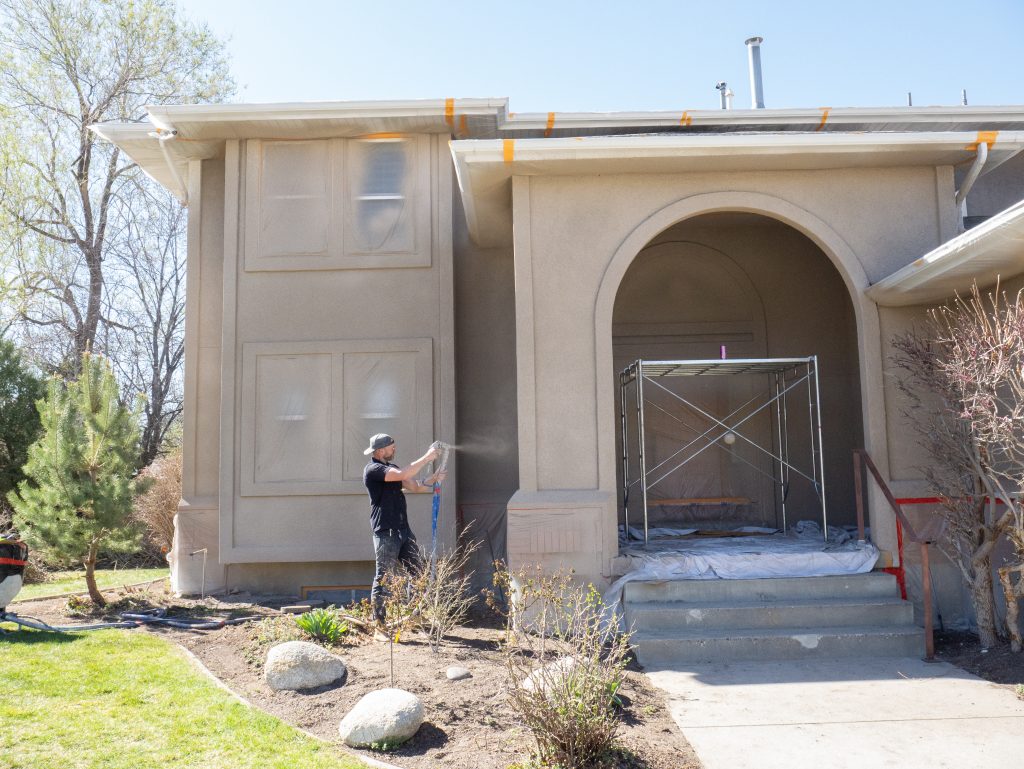
Instead of relying on brittle, high-temperature ceramic thermal barrier coatings like YSZ coating, which are designed for industrial systems, Thermal CorkShield™ uses a flexible coating material that adapts to real-world building conditions. It forms a continuous layer over the exterior surface, adhering directly to the substrate while maintaining breathability.
This coating works by reducing heat transfer, stabilizing surface temperature, and limiting the impact of thermal shock. Its structure supports reduced thermal conductivity, allowing it to perform as a thermal barrier without the need for complex multi-layer systems or processes like chemical vapor deposition or HVOF coating.
The result is a system that offers excellent thermal insulation properties while remaining compatible with residential construction methods.
Traditional coatings often prioritize hardness and rigidity, but in environments like Holladay, flexibility is just as important as strength.
Repeated exposure to changing temperature creates thermal expansion forces that rigid materials cannot absorb. This leads to microfractures, surface breakdown, and eventual coating failure. In industrial settings, this is known as thermal fatigue, and it is one of the primary reasons coatings degrade over time.
A flexible thermal barrier allows the material to move with the structure, reducing stress at the surface and maintaining adhesion to the substrate material. This improves long-term durability and ensures the coating continues to perform under real-world conditions.
From Industrial Coatings to Residential Performance
The evolution of modern coatings technology has made it possible to adapt high-performance concepts from industrial systems into residential applications.
Where industrial coatings rely on thermal spray coatings, plasma spraying, and controlled bonding to a metallic component, residential systems require a different approach—one that balances performance with practicality.
Thermal CorkShield™ represents that shift. It applies the same core principles—thermal protection, controlled heat flow, and resistance to extreme temperatures—in a way that works for homes.
Performance Across Holladay’s Landscape
From the shaded streets near Knudsen Park to sun-exposed properties along Holladay Boulevard, every home in Holladay experiences a slightly different environment. Some properties deal with prolonged shade and moisture retention, while others are exposed to direct sunlight for most of the day.
A high-performing thermal barrier coating must adapt to all of these conditions without compromising durability.
That’s where controlling temperature, managing heat, and reducing stress on the substrate become critical.
The Bigger Picture: Thermal Protection and Efficiency
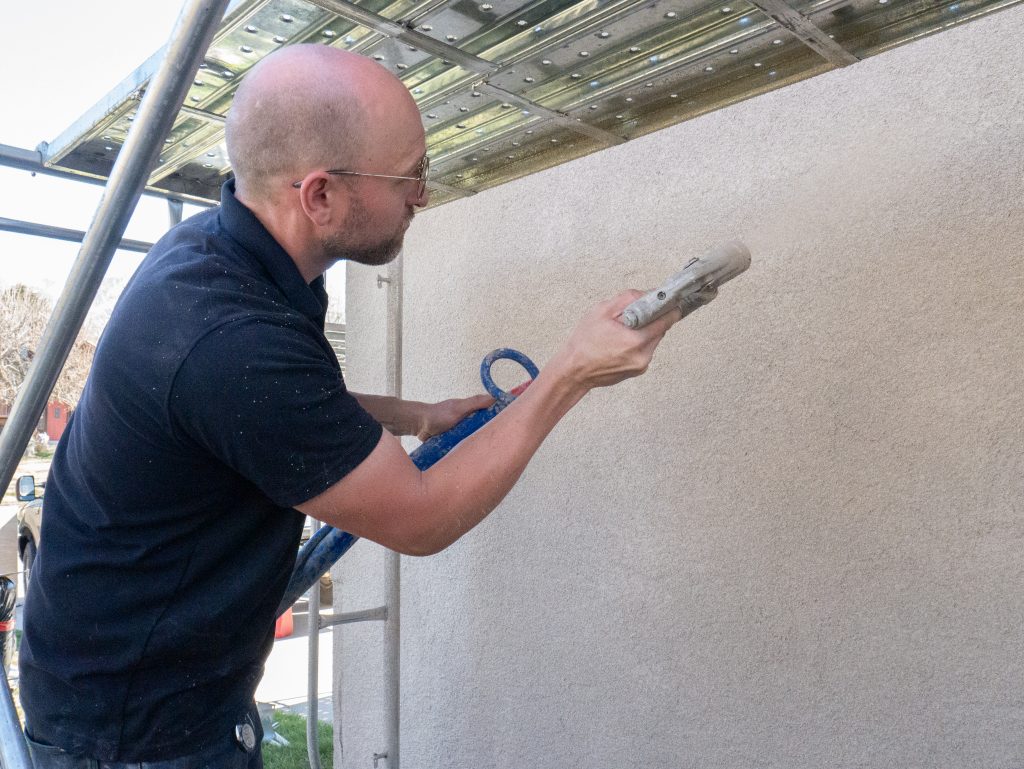
A well-designed thermal barrier coating does more than protect the exterior surface. It improves the overall performance of the building envelope by reducing energy loss, stabilizing interior conditions, and minimizing stress on structural materials.
By lowering thermal conductivity and improving resistance to environmental stress, these coatings contribute directly to better thermal efficiency and long-term building performance.
Digital Experience & Transparency
To enhance your browsing user experience, this website may use cookies and tools like Google Analytics to understand how visitors interact with content during each session. These tools may support limited targeted advertising, and preferences can be managed at any time.
A Better Thermal Barrier Coating for Holladay Homes
If you’re searching for a thermal barrier coating in Holladay, you’re not just looking for a finish—you’re looking for performance.
VIPEQ® Thermal CorkShield™ provides a modern solution designed to reduce heat transfer, manage temperature changes, and protect your home from long-term environmental stress.
Built for Holladay’s conditions.
Engineered with purpose.
Cork it.