
A Better Stucco Replacement in Alpine, Utah
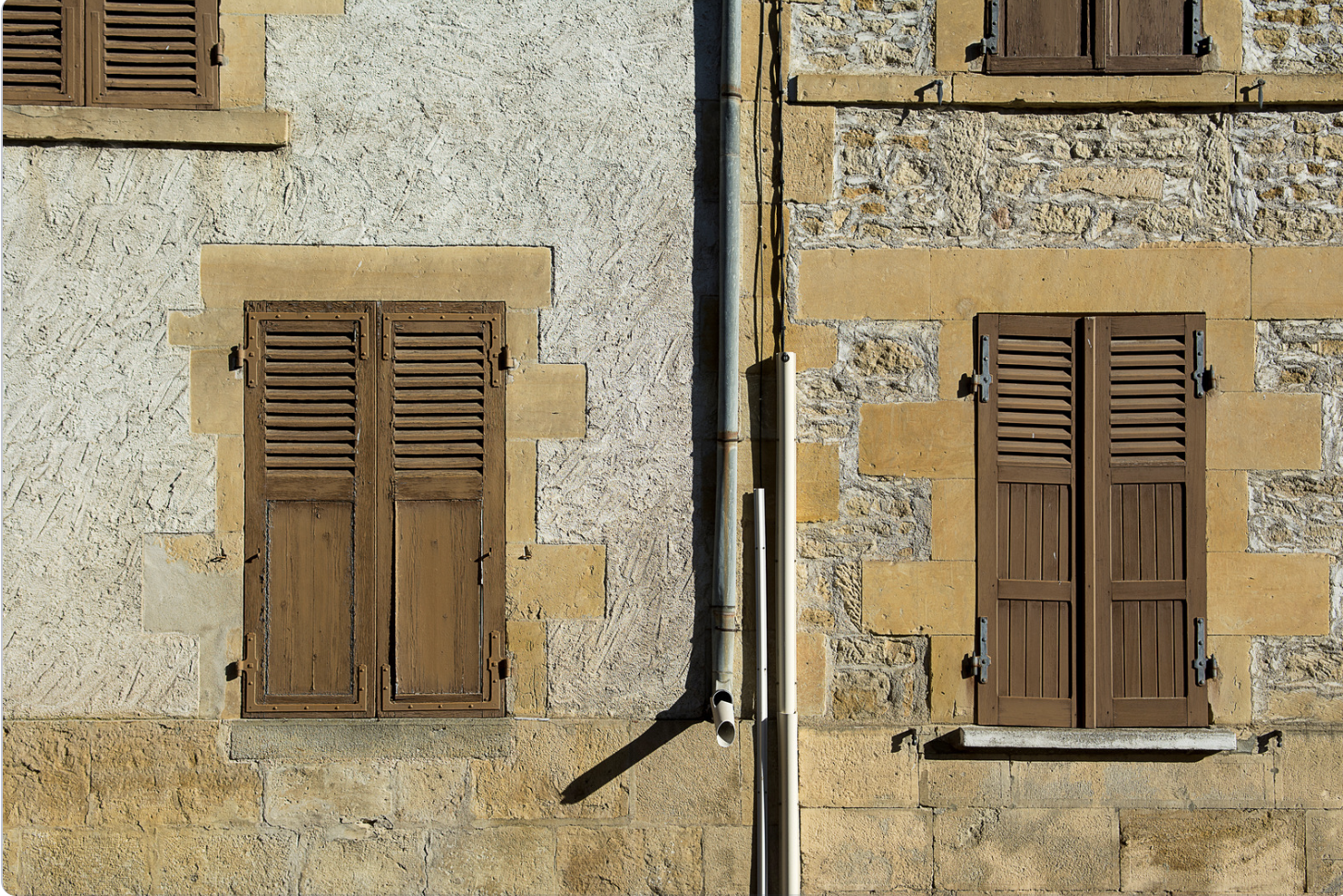
Why High-Elevation Homes Demand More Than Traditional Stucco
Alpine isn’t like most cities in Utah.
Positioned along the foothills of the Wasatch Range, with homes stretching toward Alpine Loop, Box Elder Canyon, and the slopes beneath Lone Peak, properties here face a different level of environmental exposure.
And that matters—because most stucco systems used across the United States were never engineered for this kind of environment.
While stucco homes remain common throughout Alpine, the combination of elevation, snow, and sun exposure reveals the limitations of traditional stucco over time.
What Stucco Really Is (And Why It’s Used)
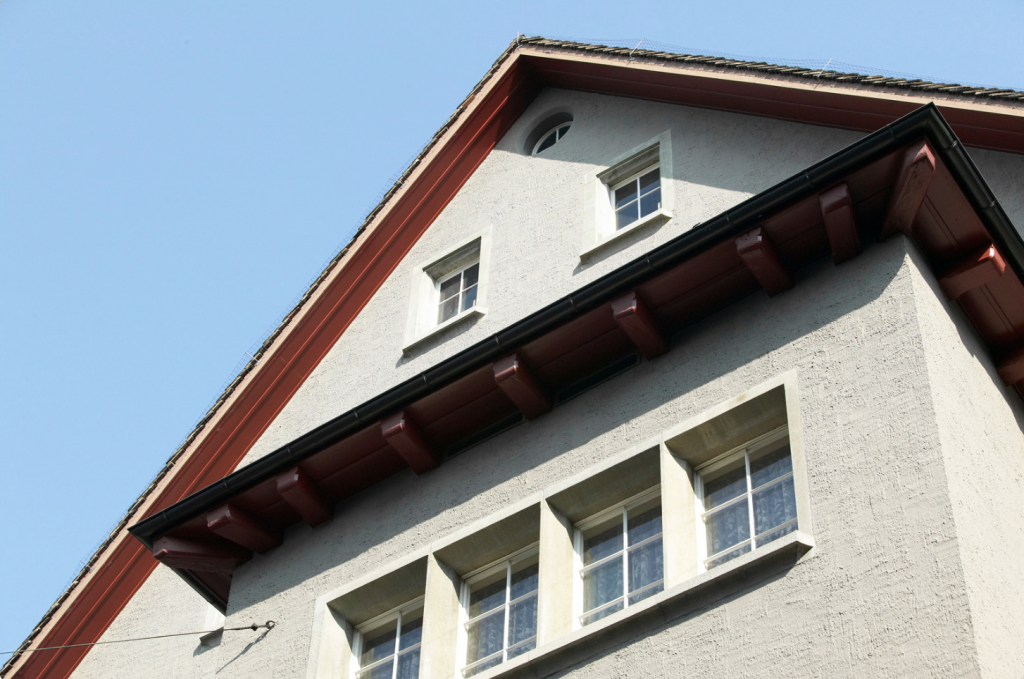
Most homeowners know stucco by its look—but not how it functions.
A standard stucco exterior is built using layered plaster materials made from portland cement, lime, sand, and water. These materials are applied over a framework of lath—often metal lath or wood lath—to create a hardened exterior shell.
This layered system includes:
- A scratch coat to anchor the system
- A brown coat to build thickness
- A final finish coat that defines the stucco finish and texture
This method has been used across North America for decades because it creates a durable-looking exterior finish that complements many styles of architecture.
But durability in appearance is not the same as durability in performance.
Why Stucco Breaks Down Faster in Alpine
Alpine’s conditions accelerate the wear of cement-based materials.
Homes near:
- Alpine Country Club
- Three Falls Trail
- Box Elder Canyon trailheads
- Bench properties overlooking Utah Valley
are exposed to a mix of environmental forces that impact stucco directly.
These include:
- Freeze-thaw cycles that expand trapped water within the stucco wall
- High UV exposure at elevation
- Rapid temperature shifts that stress rigid materials
- Ongoing moisture exposure from snow and runoff
Because stucco is rigid, it cannot adapt to these movements.
That’s why homeowners begin to see:
- Hairline cracks forming across the stucco surface
- Larger cracks developing over time
- Separation within the coat layers
- Breakdown of the cement and plaster structure
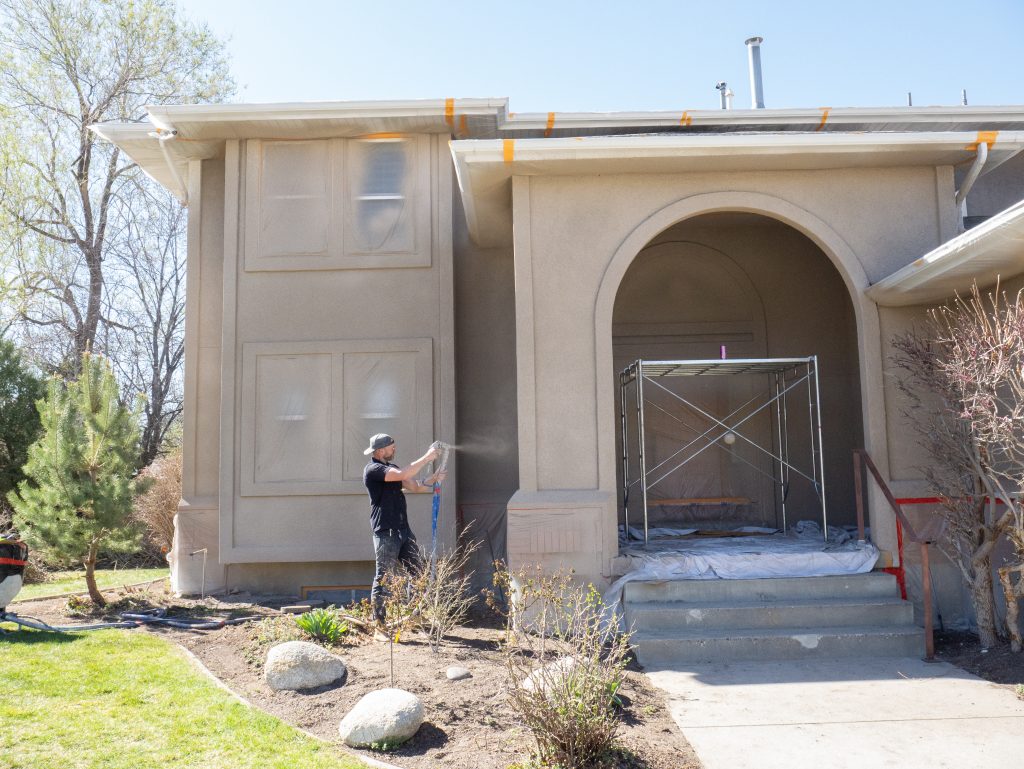
Moisture Intrusion: The Real Risk Behind Stucco
The most important issue with stucco isn’t what you see—it’s what happens behind it.
Once cracks allow water to enter, moisture can travel through the system and interact with:
- The underlying masonry or framing
- Structural wood components
- The base coat and brown coat layers
Because stucco is not fully waterproof, it absorbs and holds moisture.
Over time, this can lead to:
- Reduced durability of the exterior walls
- Degradation of plaster and cement materials
- Hidden water damage behind the stucco surface
This is why many homeowners don’t realize there’s an issue until repairs become significant.
Serving All of Utah
[display-map id=’4099′]
VIPEQ® proudly serves:
- Salt Lake County
- Utah County
- Davis County
- Weber County
- Washington County
Including:
-
Salt Lake City
-
West Valley City
-
South Jordan
-
Provo
-
Orem
-
Ogden
-
St. George
-
Layton
-
Leh
-
Draper
-
Sandy
-
Herriman
-
Cedar City
From northern Utah freeze-thaw cycles to southern Utah desert heat, our stucco repair solutions are engineered for statewide performance.
No matter where you’re located in Utah, your stucco repair receives the same commitment to durability and proper installation support.
Why Stucco Repair Doesn’t Solve the Core Problem
When issues appear, most solutions involve stucco repair.
This typically includes:
- Filling cracks
- Reapplying a coat or finish coat
- Repainting with paint
- Applying sealants or protective layers
Even with upgraded options like acrylic stucco, the system still relies on rigid cement-based construction.
That means the underlying causes—movement, moisture, and stress—are still present.
A Different Approach: Performance Over Tradition
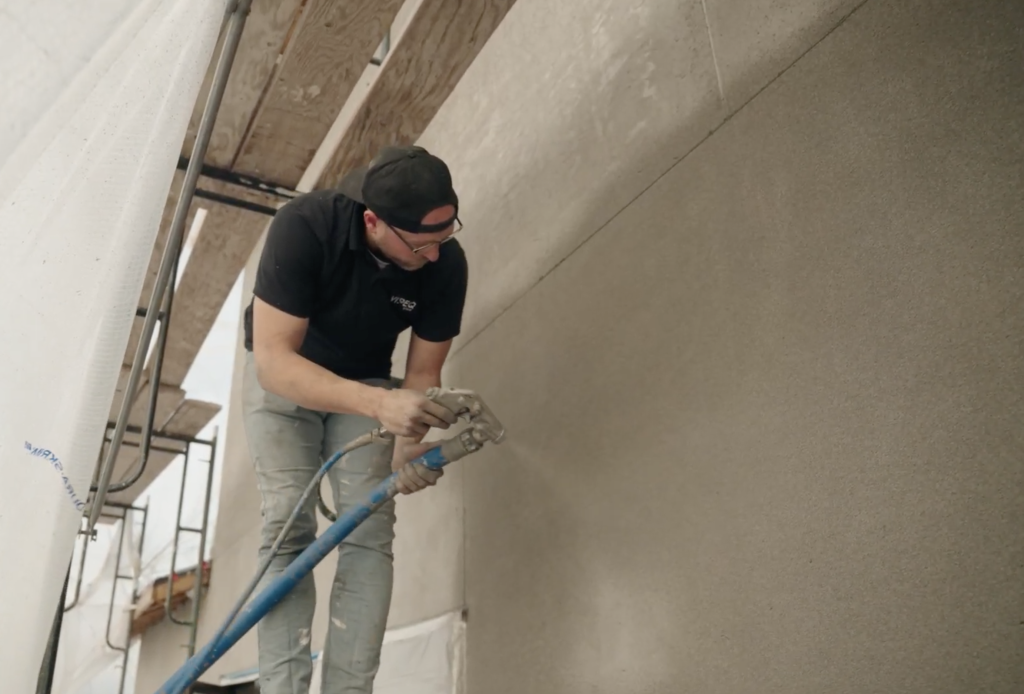
VIPEQ® Thermal CorkShield™ was designed to address the exact weaknesses found in stucco.
Instead of building a rigid shell using cement, sand, and lime, it creates a flexible, breathable coating system that adapts to the structure.
This protective coat is applied directly to:
- Existing stucco
- Masonry and concrete
- Wood-based exterior assemblies
- Mixed siding systems
It forms a continuous exterior layer that helps manage water while maintaining breathability.
BeforeAfter
Why Cork Coatings Perform Better in Alpine
Adaptability to Movement
Unlike stucco, cork coatings flex with temperature and structural changes—reducing crack formation.
Moisture Control
The coating allows vapor to escape while protecting against water intrusion, helping manage moisture more effectively.
Durability at Elevation
Designed for long-term durability in high-exposure environments like Alpine.
Thermal Performance
Helps stabilize surface temperatures on exterior walls, contributing to improved energy efficiency.
Fire Resistance
Cork naturally offers a level of fire resistance, an added benefit in dry foothill areas.
Maintaining Aesthetic Appeal Without Compromise
One reason stucco remains popular is its ability to match different architectural styles.
Cork coatings maintain that same versatility.
They can replicate:
- Smooth or textured stucco finishes
- Modern or traditional exterior looks
- Consistent finishes across complex home designs
This allows homeowners to preserve their home’s architectural style while upgrading performance.
Compatible With Modern Exterior Construction
Cork coatings work across different types of exterior systems, including:
- Masonry walls
- Concrete surfaces
- Wood framing
- Hybrid siding assemblies
This makes them ideal for both new construction and exterior renovations in Alpine.
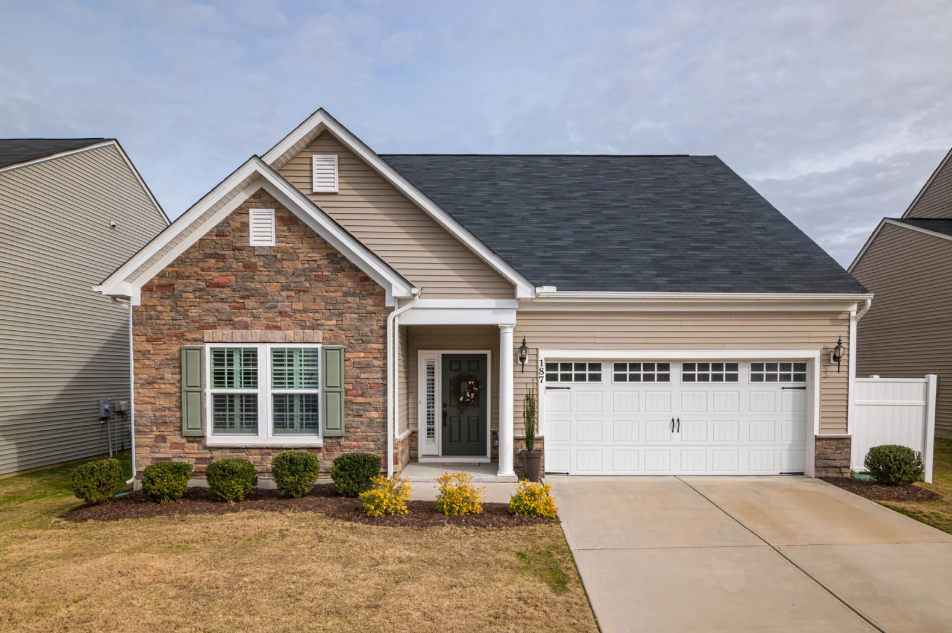
Why Alpine Homes Need a Better Solution
Homes in Alpine are often larger, custom-built, and exposed to more environmental stress than typical properties.
That means:
- More surface area exposed to water and moisture
- Greater temperature variation across exterior walls
- Higher expectations for durability and performance
Traditional stucco struggles to meet these demands over time.
A Shift Happening Across the Industry
Across the United States and throughout North America, builders and homeowners are moving toward materials that prioritize performance—not just appearance.
Cork-based coatings represent that shift.
They provide:
- Improved durability
- Better moisture management
- Reduced maintenance cycles
- Long-term exterior protection
Digital Experience & Privacy
To improve your browsing user experience, this website may use cookies and tools like Google Analytics to understand how visitors interact with the site during each session.
These tools may also support limited targeted advertising, and preferences can be managed at any time.
If You’re Considering Stucco in Alpine—Read This First
If you’re searching for stucco in Alpine, you’re likely planning to: Repair existing damage, Replace an aging stucco exterior, Improve your home’s exterior finish
Before you commit to another cement-based system, consider what your home actually needs.
Not just a better finish—but a better-performing system.
VIPEQ® Thermal CorkShield™ offers a modern alternative designed specifically for environments like Alpine.
Cork it.