
Thermal Spray Coating in Utah
VIPEQ® F08 Thermal CorkShield™
When evaluating a thermal spray coating in Utah, performance under extreme weather, rapid temperature swings, and UV exposure is critical.
VIPEQ® F08 Thermal CorkShield™ is a high-performance cork-based coating engineered for exterior and interior surfaces. While traditional thermal spray coatings are commonly used in industrial settings to protect metal components from heat, corrosion, and wear, F08 applies the same performance-driven philosophy to architectural surfaces.
Designed for Utah’s climate—from Salt Lake City to St. George—F08 provides thermal insulation, durability, moisture resistance, and long-term surface protection.
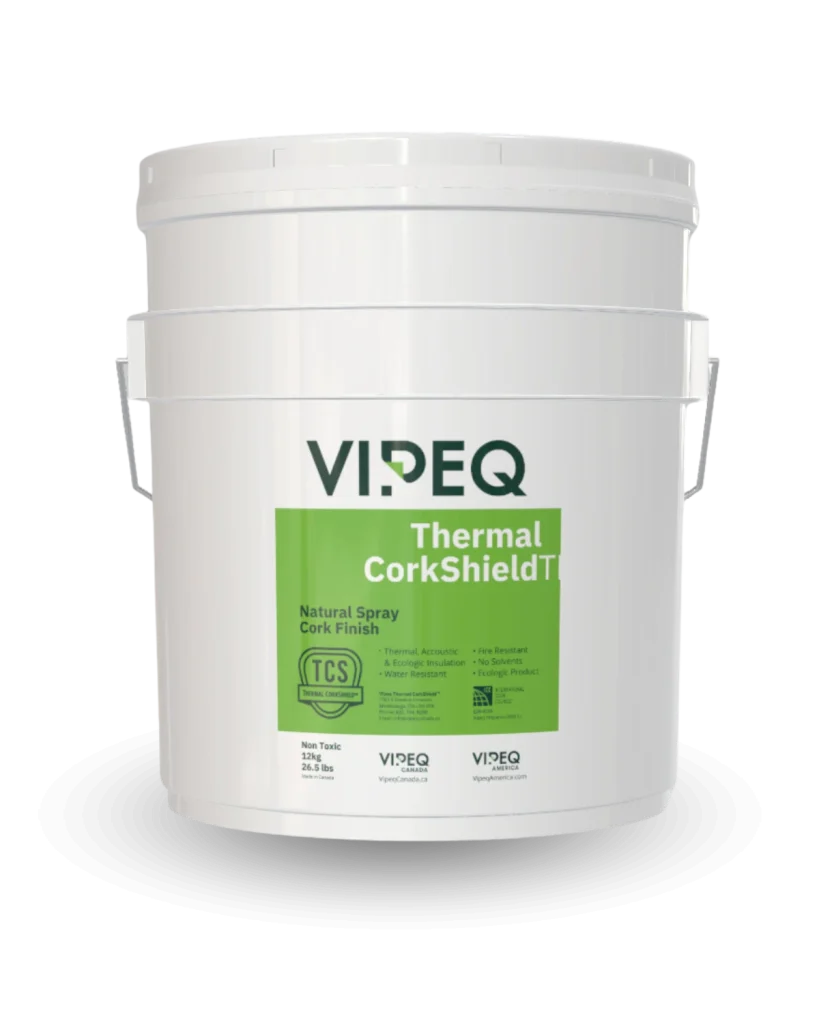
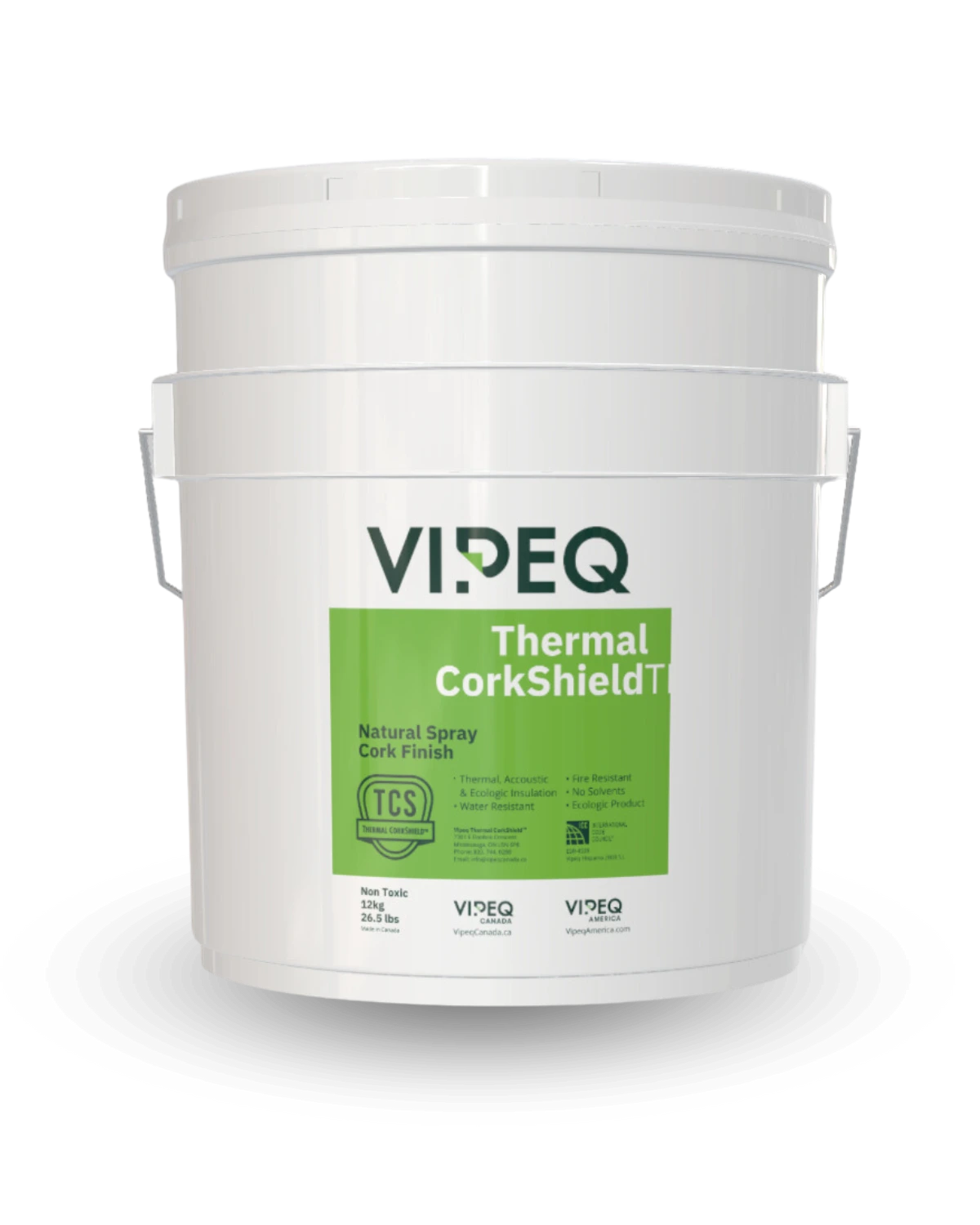
What Is VIPEQ® F08?
VIPEQ® F08 is a textured cork-based thermal coating suitable for exterior walls, ceilings, facades, and other building surfaces. It combines natural cork granules with specialized binders to create a breathable yet protective coating layer.
Unlike industrial thermal spray coating services that use arc spray, plasma spraying, or HVOF spray systems to deposit metal or ceramic coating materials onto turbine or stainless steel components, F08 is designed specifically for building envelopes and architectural materials.
It is a protective coating built for real-world environments, not turbine engines.
Built for Utah’s Climate
Utah’s environment exposes surfaces to:
F08 is engineered to maintain flexibility and resistance under these conditions.
High UV exposure
Rapid thermal cycling
Freeze-thaw movement
Dry heat and moisture intrusion
Surface wear over time
Serving All of Utah
VIPEQ® proudly serves:
- Salt Lake County
- Utah County
- Davis County
- Weber County
- Washington County
Including Salt Lake City, West Valley City, South Jordan, Provo, Orem, Ogden, and St. George.
Whether facing high desert heat in southern Utah or winter snow loads in northern regions, F08 delivers consistent performance.
How F08 Compares to Industrial Thermal Spray Coatings
These thermal spraying methods use a combustion flame, plasma jet, high velocity oxy fuel, or compressed air to propel molten coating material onto a metallic substrate, creating a thermal sprayed coating designed for corrosion resistance, bond strength, and wear protection.
In industrial materials science, thermal spray technology includes processes such as:
- Arc spraying
- Twin wire arc spray
- Plasma spray and plasma spraying
- Flame spray and flame spraying
- Cold spray and cold spraying
- HVOF coating (high velocity oxygen fuel)
- HVAF coating (high velocity air fuel)
- Vacuum plasma spraying
Applications include:
- Turbine components
- High temperature ceramic coating systems
- Stainless steel parts
- Corrosion protection in industrial environments
VIPEQ® F08 does not use the traditional thermal spray coating process such as plasma spraying or arc spray. However, it delivers architectural-level thermal barrier performance by forming a durable, breathable protective coating layer on masonry, concrete, and stucco surfaces.
Performance made to last
Key Performance Benefits of VIPEQ® F08
Homes and buildings coated with F08 may experience measurable reductions in heating and cooling costs depending on structure and climate conditions.

Thermal Insulation
With low thermal conductivity (0.058 W/mK), F08 reduces heat transfer through exterior walls, helping stabilize interior temperature and reduce energy use.
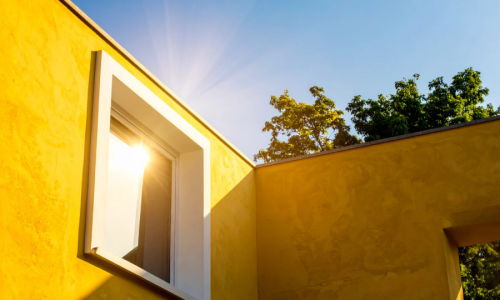
UV & Weather Resistance
F08 demonstrates minimal UV deterioration compared to traditional exterior paint, maintaining surface integrity under intense sun exposure common in Utah.
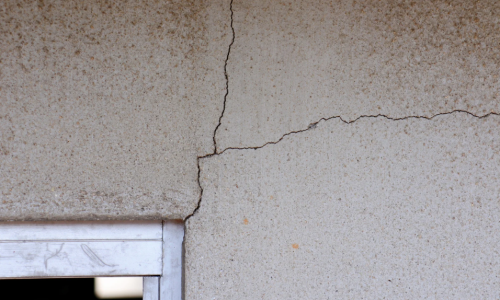
Crack & Wear Resistance
Unlike rigid paint systems that develop cracking under expansion and contraction, F08 remains flexible and resistant to surface wear caused by thermal cycling.
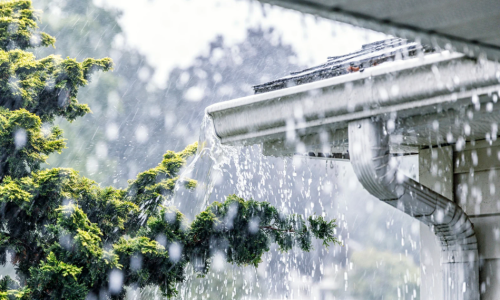
Moisture Protection
Provides water resistance while remaining breathable, helping reduce trapped moisture that can lead to surface damage and corrosion-related issues on certain substrates.

Fire Performance
Rated Class A for fire retardancy.
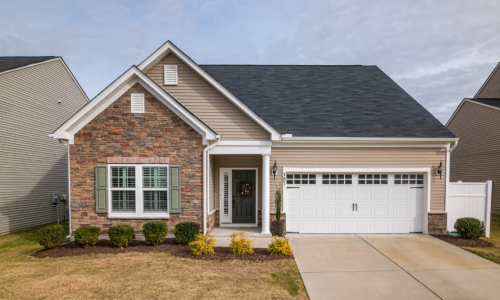
Long-Term Durability
Designed for extended service life with minimal upkeep compared to traditional paint systems.
F08 vs Traditional Exterior Coatings
While traditional paint or ceramic coating systems may require frequent reapplication, F08 functions as a long-term protective coating engineered for building performance.
Compared to:
- Exterior paint
- Acrylic coatings
- Epoxy-based coating materials
- Standard masonry coatings
- Cedar siding
F08 provides:
- Lower thermal conductivity
- Greater crack resistance
- Improved UV stability
- Longer durability
Where F08 Can Be Applied
VIPEQ® F08 is suitable for:
- Concrete surfaces
- Masonry walls
- Stucco
- Exterior facades
- Ceilings and soffits
It adheres to properly prepared substrates without the need for industrial bond coat systems or high velocity spray equipment used in industrial thermal spray coating processes.
Advanced Coating Science, Built for Buildings
Industrial thermal spray techniques focus on:
- High velocity deposition
- Combustion flame or plasma energy
- Bond strength to metallic substrates
- Wear and corrosion resistance
VIPEQ® adapts coatings technology principles—durability, resistance, material performance—into a sustainable cork-based solution tailored to architectural needs.
Rather than high temperature ceramic coating for gas turbines, F08 is engineered for:
- Exterior building envelopes
- Energy efficiency upgrades
- Long-term wall protection
- Surface durability in extreme temperatures
Sustainable Coating Materials
F08 is manufactured using natural cork combined with non-toxic binders and pigments. Cork is renewable, biodegradable, and harvested without harming the tree.
This approach differs from many proprietary coatings used in heavy industrial sectors that rely on metal wire feedstock or ceramic powder deposition through plasma systems.
F08 provides environmental responsibility without sacrificing durability.
The Vipeq Advantage
Why Choose VIPEQ® F08 in Utah?
VIPEQ® F08 delivers a building-focused protective coating engineered for Utah’s extreme conditions. When selecting a thermal spray coating alternative for architectural use in Utah, you need:
Proven durability
Low thermal conductivity
Resistance to UV and wear
Moisture management
Long-term performance
Repair it right. Cork it.
If you’re in Salt Lake City, Provo, Ogden, St. George, or anywhere in Utah and need professional stucco repair, contact VIPEQ® today to learn how F08 Thermal CorkShield™ can restore and protect your exterior.