
Stucco Repair in Highland, Utah
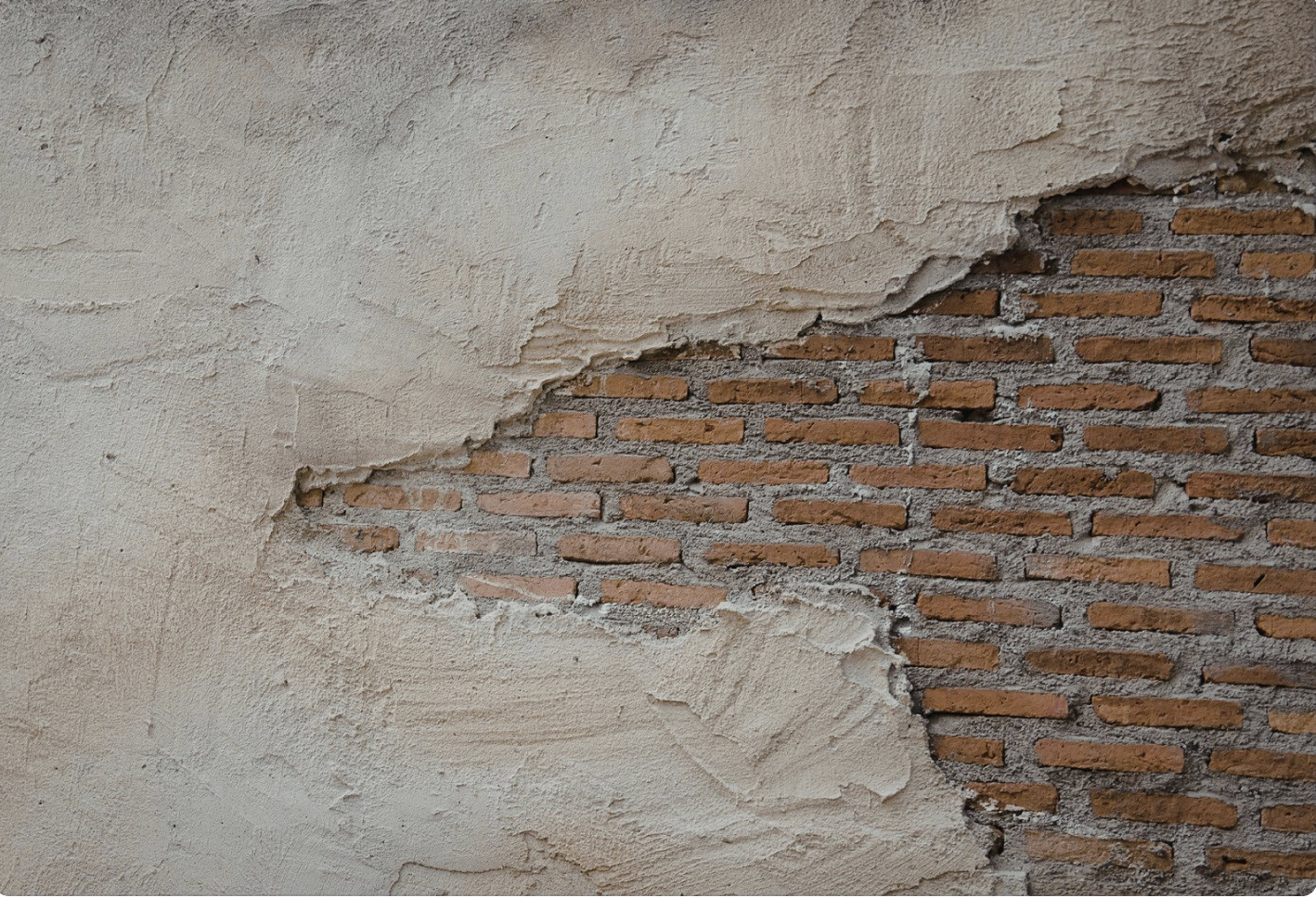
Why Repairs Keep Failing—and What Actually Works Long-Term
In Highland, stucco repair isn’t a one-time fix—it’s often a cycle.
Homes near Highland Glen Park, along North County Boulevard, and throughout neighborhoods by Lone Peak High School commonly deal with ongoing stucco damage. What starts as small cracks or a single stucco crack can quickly spread across the stucco surface, leading to repeated repair attempts and growing frustration.
The reason is simple: most stucco systems were never designed to handle Highland’s environmental conditions long-term.
How Stucco Systems Are Built (And Why That Matters)
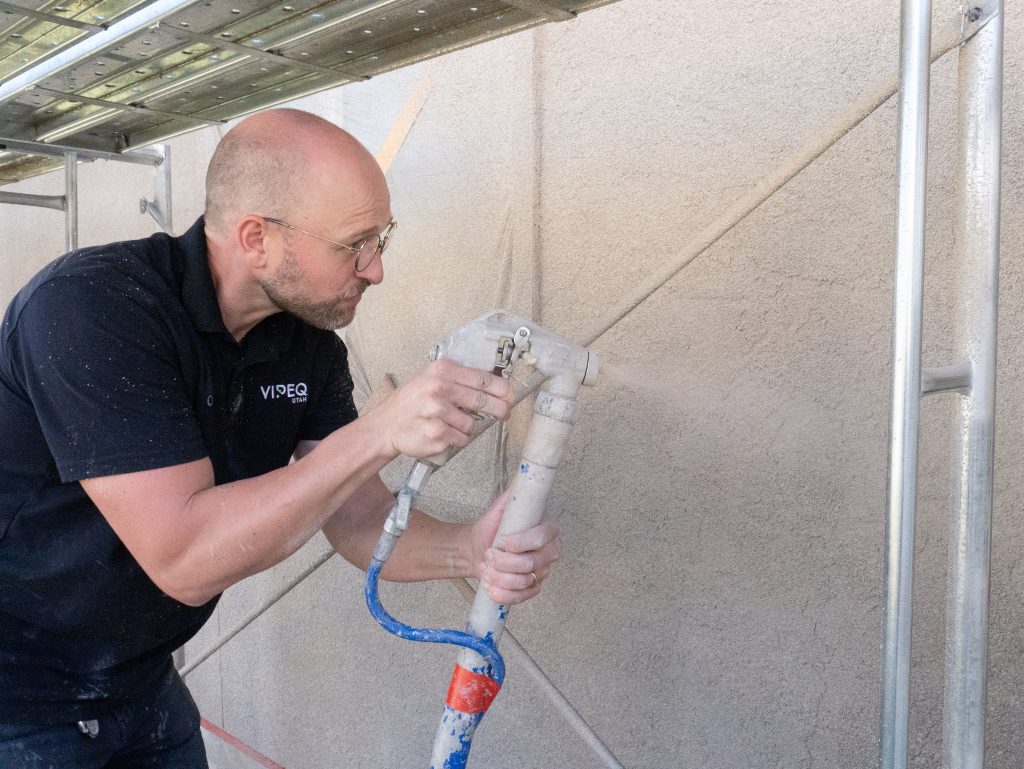
Most traditional stucco is created using a mixture of portland cement, sand, water, and lime. This stucco mix is applied in layers over lath, forming a rigid exterior shell.
A typical system includes:
- A scratch coat bonded to the lath
- Additional cement layers that build thickness
- A finished surface that defines the stucco exterior
This creates a durable-looking stucco siding and stucco wall, but the rigidity of cement-based materials becomes a problem over time.
Why Stucco Cracks in Highland
Highland’s climate introduces constant movement into exterior materials.
Daily and seasonal temperature changes cause expansion and contraction in the cement structure. Because stucco cannot flex, this leads to:
- Hairline cracks and small cracks
- Larger cracks spreading across the wall
- Weakening of the bond between layers
- Breakdown of the original stucco surface
Even systems like synthetic stucco can struggle when exposed to repeated stress.
Over time, cracked stucco becomes more than a cosmetic issue—it becomes a pathway for moisture.
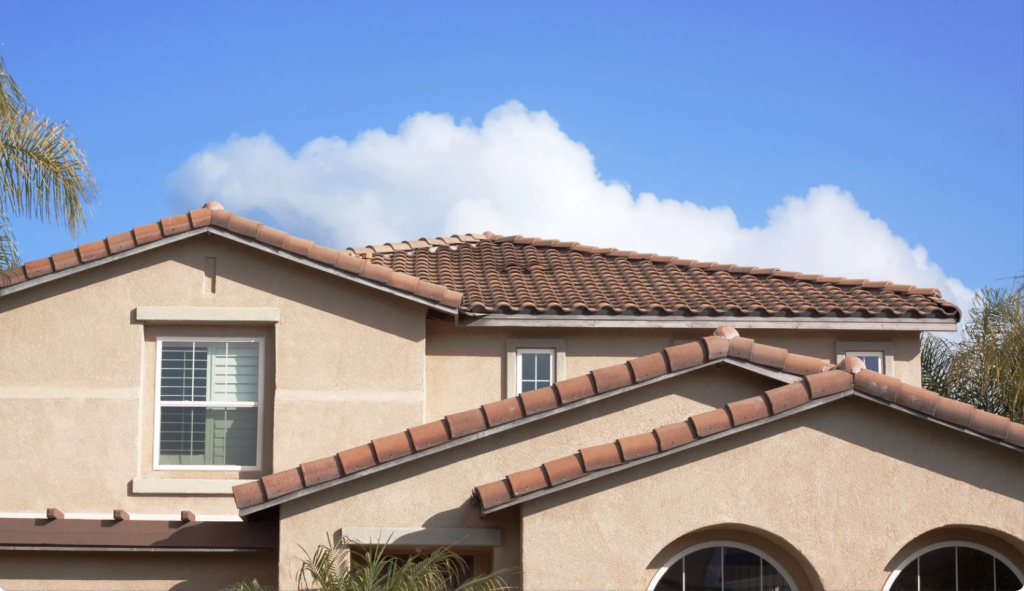
Once a stucco crack forms, water can enter behind the surface.
This leads to:
- Moisture buildup in the damaged area
- Spread into the surrounding stucco
- Deterioration of the cement layers
- Risk to underlying materials and structural integrity
In more severe cases, this requires stucco water damage repair, especially when moisture has been present for extended periods.
Because this damage often develops behind the surface, it can go unnoticed until repairs become extensive.
Serving All of Utah
VIPEQ® proudly serves:
- Salt Lake County
- Utah County
- Davis County
- Weber County
- Washington County
Including:
Salt Lake City
West Valley City
South Jordan
Provo
Orem
Ogden
St. George
Layton
Leh
Draper
Sandy
Herriman
Cedar City
From northern Utah freeze-thaw cycles to southern Utah desert heat, our stucco repair solutions are engineered for statewide performance.
No matter where you’re located in Utah, your stucco repair receives the same commitment to durability and proper installation support.
The Limits of Stucco Patch Repairs
Most stucco repairs involve applying a stucco patch using a cement-based patching material.
This process typically includes:
- Removing loose stucco and debris
- Reapplying a patch to the damaged area
- Matching the finish and repainting with paint
While this may restore appearance temporarily, it doesn’t address the underlying issue.
Because the system remains rigid, new cracks often form near the repaired area.
Some homeowners attempt DIY stucco repair, using patch kits or surface-level fixes.
These methods often:
- Cover cracks without reinforcing the system
- Fail to bond properly with the existing stucco
- Break down under future temperature changes
A stucco repair contractor may provide more durable results, especially for small stucco repairs, but even professional stucco repair cannot fully eliminate the root cause of failure in cement-based systems.
Understanding Stucco Repair Cost Over Time
The upfront stucco repair cost may seem manageable.
However, repeated repairs can lead to:
- Ongoing labor expenses
- Reapplication of patching materials
- Repainting and surface preparation
- Increasing maintenance needs
Over time, these costly repairs add up—especially when dealing with extensive damage across large sections of the home.
When It’s Time to Move Beyond Stucco Repair
There’s a point where continuing to repair stucco becomes inefficient.
This typically happens when:
- Multiple areas show recurring cracks
- The old stucco system has deteriorated
- Large sections of the wall require repeated patching
- Moisture-related damage is present
At this stage, replacing or upgrading the system provides better long-term value than continuing repairs.
A Better Solution Than Repeated Stucco Repairs
VIPEQ® Thermal CorkShield™ offers a modern alternative to traditional repair methods.
Instead of applying another rigid cement layer, it creates a flexible, breathable coating system that adheres to:
- Existing stucco
- Masonry and concrete
- Previously repaired surfaces
This coating acts as a protective layer that helps reduce future cracking and manage moisture more effectively.
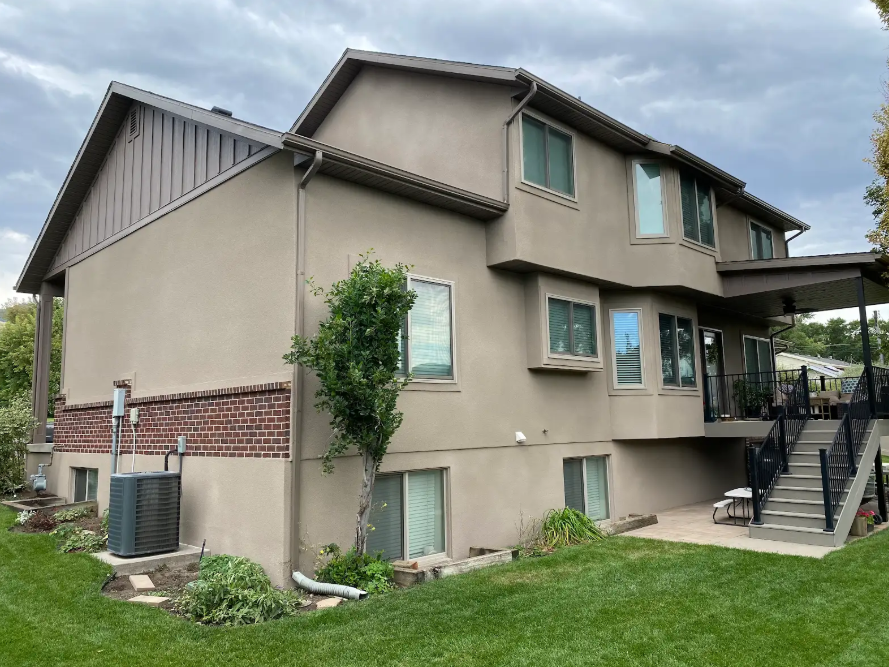

Why It Performs Better Than Traditional Stucco
Unlike cement-based coatings, cork systems are designed to adapt to movement.
They help:
- Reduce the formation of new cracks
- Improve durability across exterior walls
- Protect against moisture intrusion
- Extend the life of the exterior surface
This makes them a more effective long-term solution compared to repeated stucco installation and repair cycles.
Maintaining Appearance Without Sacrificing Performance
Homeowners often want to preserve the look of new stucco or maintain consistency with surrounding homes.
Cork coatings can:
- Match the appearance of traditional stucco
- Blend with surrounding stucco finishes
- Provide a clean, uniform exterior
This allows for both improved performance and maintained aesthetic value.
Designed for Highland’s Homes and Conditions
Homes in Highland often feature:
- Large exterior wall surfaces
- High sun exposure
- Open landscapes with minimal shade
These conditions accelerate wear on exterior materials.
A system designed for flexibility and durability performs better than one designed only for initial appearance.
Reducing the Need for Ongoing Stucco Maintenance
Traditional stucco requires consistent stucco maintenance, including:
- Crack repair
- Surface patching
- Repainting
Over time, this maintenance becomes both costly and time-consuming.
Upgrading to a modern system reduces the need for ongoing repairs.
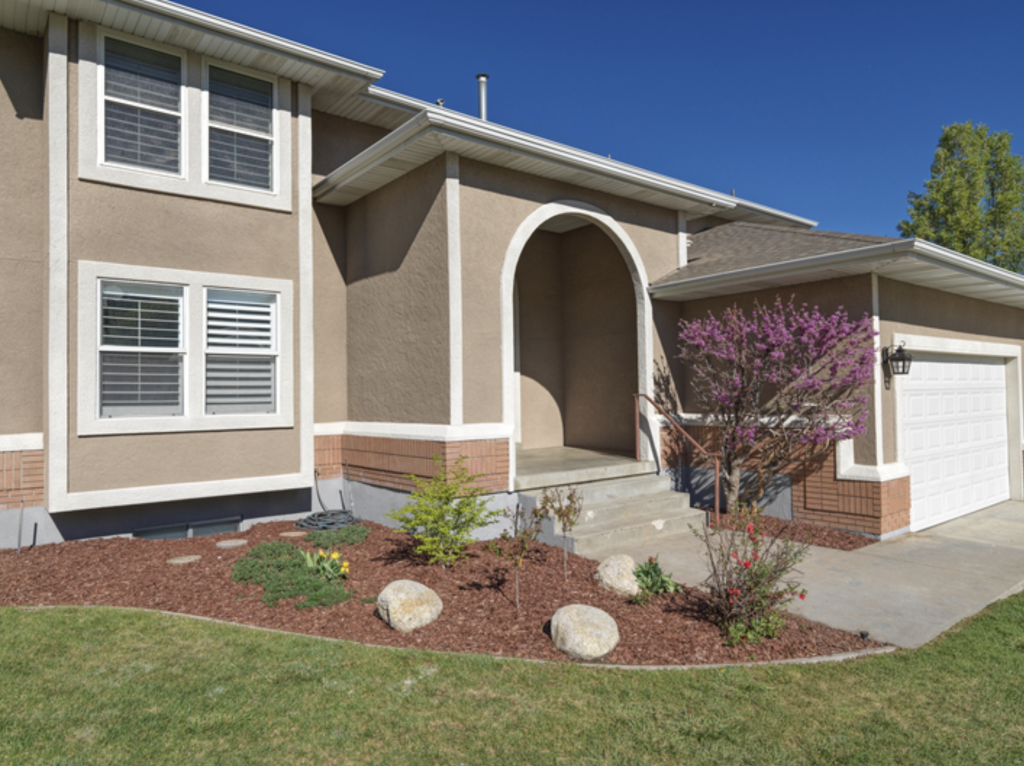
Final Thoughts: Repair or Replace the Problem
If you’re searching for stucco repair in Highland, you’re likely dealing with:
- Cracks across your stucco surface
- Moisture concerns
- Aging or damaged stucco
- Repeated repair cycles
The real question isn’t how to fix stucco—it’s whether you should continue repairing it at all.
VIPEQ® Thermal CorkShield™ provides a smarter solution designed to reduce future damage, improve durability, and eliminate the cycle of ongoing repairs.
Cork it.