
Stucco Repair in St. George Utah: Why Traditional Stucco Fails—and What to Do Instead
Understanding Stucco Repair in St. George’s Harsh Climate
If you’re searching for stucco repair in St. George Utah, you’re likely already seeing the signs—fading paint, spreading stucco cracks, or visible stucco damage across your home.
In areas like Little Valley, Desert Color, SunRiver, and Washington Fields, homeowners deal with intense sun, rapid temperature changes, and dry desert conditions that accelerate wear on stucco. These conditions cause expansion and contraction, leading to cracks, surface breakdown, and long-term damage.
This is why stucco repair is one of the most common exterior services in Southern Utah—but it’s also why many homeowners end up repeating the same repair cycle over and over again.
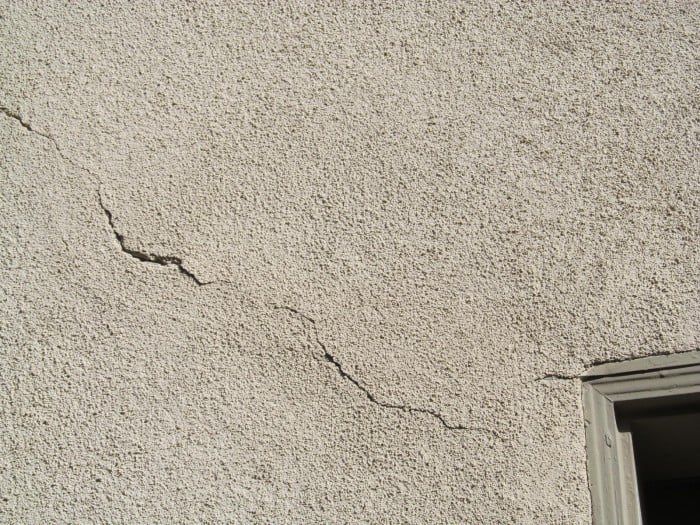
What Is Stucco—and Why Does It Crack?
Traditional stucco is made from a rigid mixture of sand, lime, and cement—often reinforced with Portland cement. It’s applied in layers, starting with a scratch coat, followed by additional coats that form the finished stucco surface.
While durable at first, traditional stucco doesn’t handle movement well. Over time, even properly installed stucco siding begins to show:
- Hairline small cracks
- Larger stucco crack patterns
- Chipping or loose stucco
- Faded or peeling paint
- Moisture-related damage
Even newer systems like synthetic stucco can still develop issues when exposed to the St. George climate.
Common Types of Stucco Damage
1. Hairline & Small Cracks
A small crack or network of small cracks may seem minor, but they allow moisture to enter behind the stucco surface, leading to deeper damage.
2. Structural Cracks
Larger stucco cracks may indicate movement in the home. These require more than a simple stucco patch.
3. Surface Deterioration
Over time, old stucco can weaken, especially under UV exposure. This leads to crumbling, chalking, and fading paint.
4. Water Damage
Homes may require stucco water damage repair when moisture penetrates the surface, causing hidden issues behind the stucco wall.
5. Impact & Localized Damage
A single damaged area—from impact or wear—can spread if not addressed properly.
Why Stucco Repair Often Fails
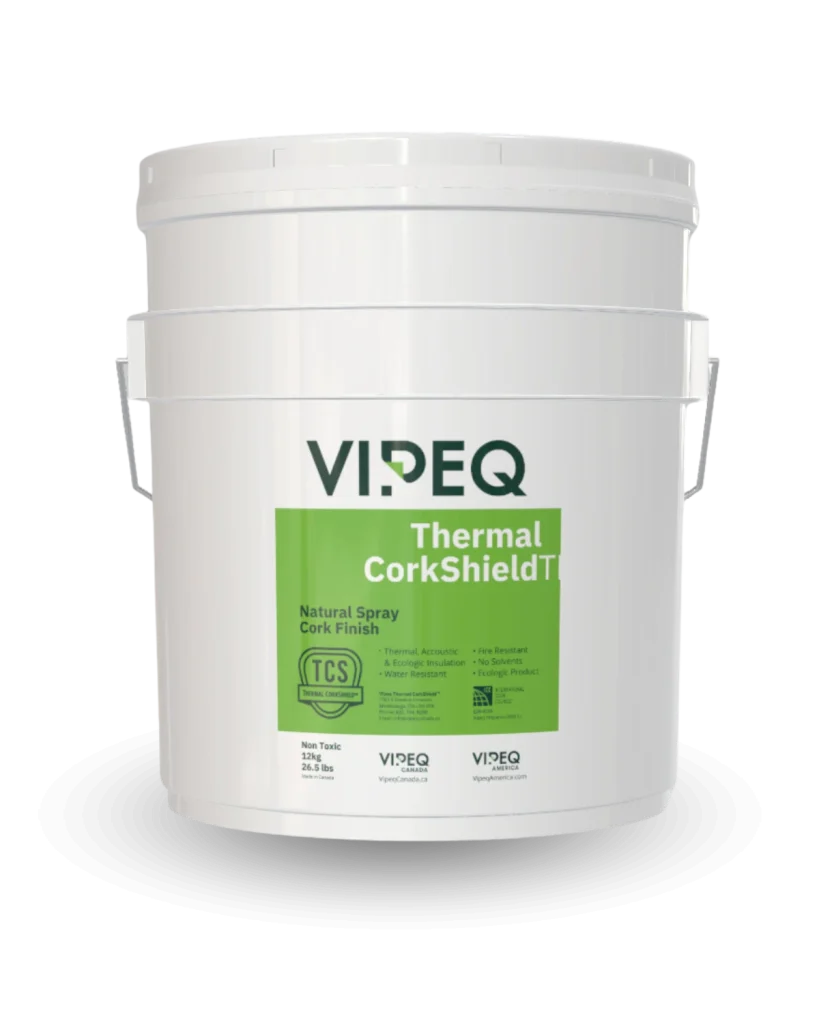
VIPEQ® F08 – Thermal CorkShield™
F08 is a textured cork-based coating that can be applied over properly prepared existing stucco.
Most stucco repair methods focus on surface-level fixes:
- Applying a stucco patch
- Using patching material to fill cracks
- Repainting the repaired area
While this can temporarily improve appearance, it doesn’t address the underlying issue: stucco is rigid and prone to cracking again.
Even experienced professionals performing professional stucco repair are limited by the material itself.
This leads to:
- Recurring stucco cracks
- Repeated repair stucco cycles
- Ongoing stucco maintenance
- Increasing stucco repair cost over time
The Hidden Cost of Repeated Stucco Repairs
At first, a small stucco repair may seem affordable. But over time, repeated fixes add up:
- Multiple stucco patch applications
- Frequent repainting of surrounding stucco
- Labor from a stucco repair contractor
- Escalating costly repairs due to worsening damage
What begins as a minor repair can turn into extensive repair work across the entire stucco exterior.
DIY Stucco Repair vs Professional Solutions
At first, a small stucco repair may seem affordable. But over time, repeated fixes add up:
- Multiple stucco patch applications
- Frequent repainting of surrounding stucco
- Labor from a stucco repair contractor
- Escalating costly repairs due to worsening damage
What begins as a minor repair can turn into extensive repair work across the entire stucco exterior.
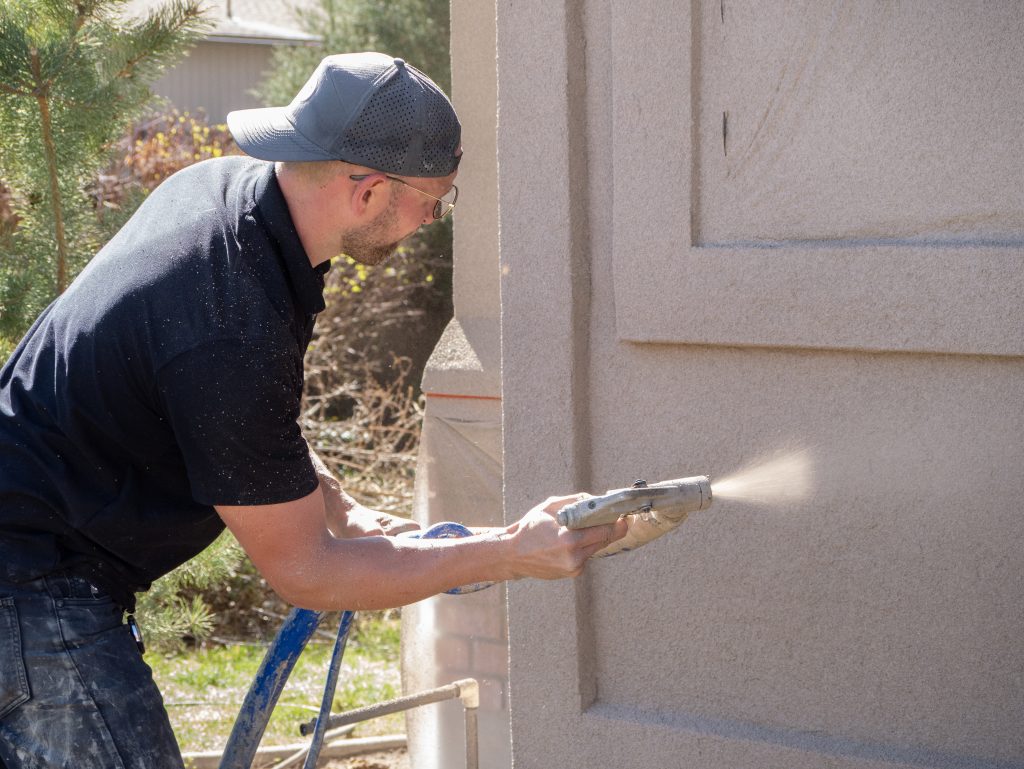
DIY Stucco Repair vs Professional Solutions
Many homeowners attempt DIY stucco repair using off-the-shelf patching material. While this may work for a small crack, it often results in:
- Poor bonding to existing stucco
- Visible texture differences
- Weak durability
- Recurring cracks
For anything beyond small stucco repairs, professional evaluation is critical.
A Better Alternative to Stucco Repair
Instead of continuing to repair stucco, homeowners in St. George are turning to a more advanced solution: cork-based coatings.
VIPEQ® Thermal Cork Shield is designed to go over existing stucco, eliminating the need for ongoing stucco repairs.
How Cork Coating Solves Stucco Problems
Flexible Surface That Prevents Cracks
Unlike rigid cement-based materials, cork coatings flex with your home—reducing future cracks and preventing recurring stucco crack repair.
Covers Damaged Stucco
Whether you have damaged stucco, widespread stucco damage, or areas of extensive damage, cork coatings create a seamless new surface.
Eliminates Repainting
No more constant paint touch-ups or repainting entire walls due to fading or patchwork.
Strengthens Structural Integrity
By sealing and protecting the exterior, cork coatings help preserve your home’s structural integrity.
Stucco Repair vs Long-Term Exterior Protection
Feature | Traditional Stucco Repair | Cork Coating |
Fixes cracks | Temporary | Long-term |
Requires repainting | Yes | No |
Handles movement | No | Yes |
Maintenance | Ongoing | Minimal |
Covers existing stucco | Partial | Complete |
Instead of repeatedly trying to repair stucco, this approach upgrades your entire stucco siding system.
Homes in St. George—especially in high-growth residential areas—are exposed to:
- Extreme UV rays
- Heat expansion and contraction
- Dry air and dust
- Occasional moisture events
These conditions accelerate stucco damage, making traditional stucco repair less effective over time.
That’s why more homeowners are moving beyond traditional stucco and choosing solutions built specifically for desert climates.
When to Stop Repairing Stucco
You should consider upgrading instead of continuing stucco repair if:
- You’ve repaired the same stucco crack more than once
- You see widespread cracks across your home
- Your old stucco is fading or deteriorating
- You’re facing rising stucco repair cost
- There is visible damage across multiple walls
At this point, continuing to repair stucco often leads to diminishing returns.
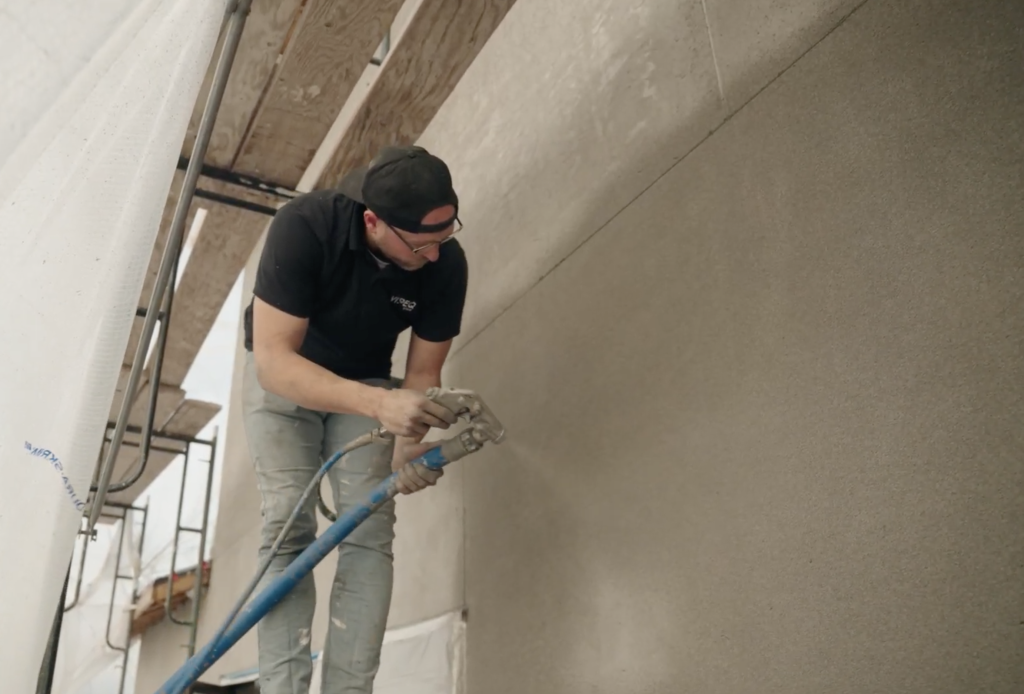
Our Process for St. George Stucco Solutions
1. Inspection
We assess your stucco wall, identifying cracks, damage, and areas of concern.
2. Surface Preparation
We address loose stucco, remove debris, and stabilize the surface.
3. Application
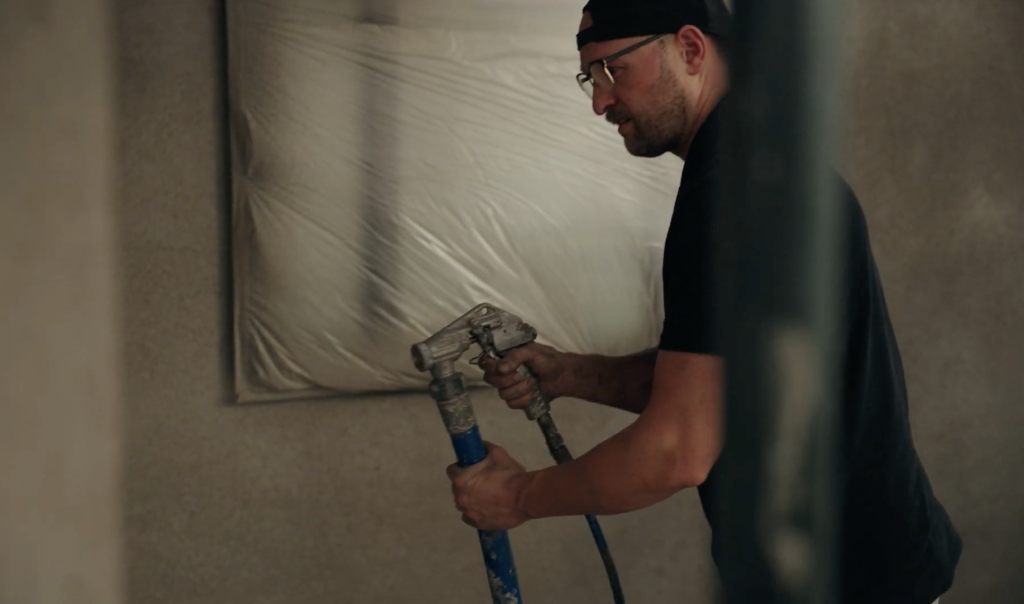
The cork coating is applied over existing stucco, forming a seamless, protective layer.
4. Long-Term Protection
Your home is left with a durable, flexible finish that resists future damage.
Serving St. George’s Most Recognizable Communities
We provide stucco repair alternatives across:
- Little Valley
- Desert Color
- SunRiver
- Bloomington Hills
- Santa Clara
- Washington Fields
We understand the unique challenges of Southern Utah homes and deliver solutions designed specifically for this region.
Upgrade Instead of Repair
If you’re tired of dealing with stucco cracks, constant paint touch-ups, and ongoing stucco repairs, it’s time to rethink your approach.
Instead of another temporary stucco patch, invest in a solution that eliminates the need for repeated repair.
Get Expert Help with Stucco Repair in St. George Utah
If you’re searching for stucco repair in St. George Utah, don’t settle for another short-term fix.
VIPEQ® offers a smarter, longer-lasting alternative to traditional stucco repair—helping you protect your home, reduce maintenance, and avoid future costly repairs.
Contact us today to learn more about upgrading your stucco the right way.