
Thermal Barrier Coating in Utah
When you’re evaluating a thermal barrier coating in Utah, performance under extreme temperature swings matters.
Utah properties face intense summer heat, freezing winters, rapid thermal cycling, and high UV exposure. These environmental shifts create thermal shock, surface stress, and long-term material degradation if the wrong coating is applied.
VIPEQ® develops high-performance cork-based thermal barrier coatings engineered to help regulate temperature, reduce thermal conductivity, and protect exterior surfaces across Utah’s demanding climate zones.
From Salt Lake City to St. George, every thermal barrier coating solution is selected with durability, insulation performance, and long-term value in mind.
VIPEQ® Thermal Barrier Coating Products
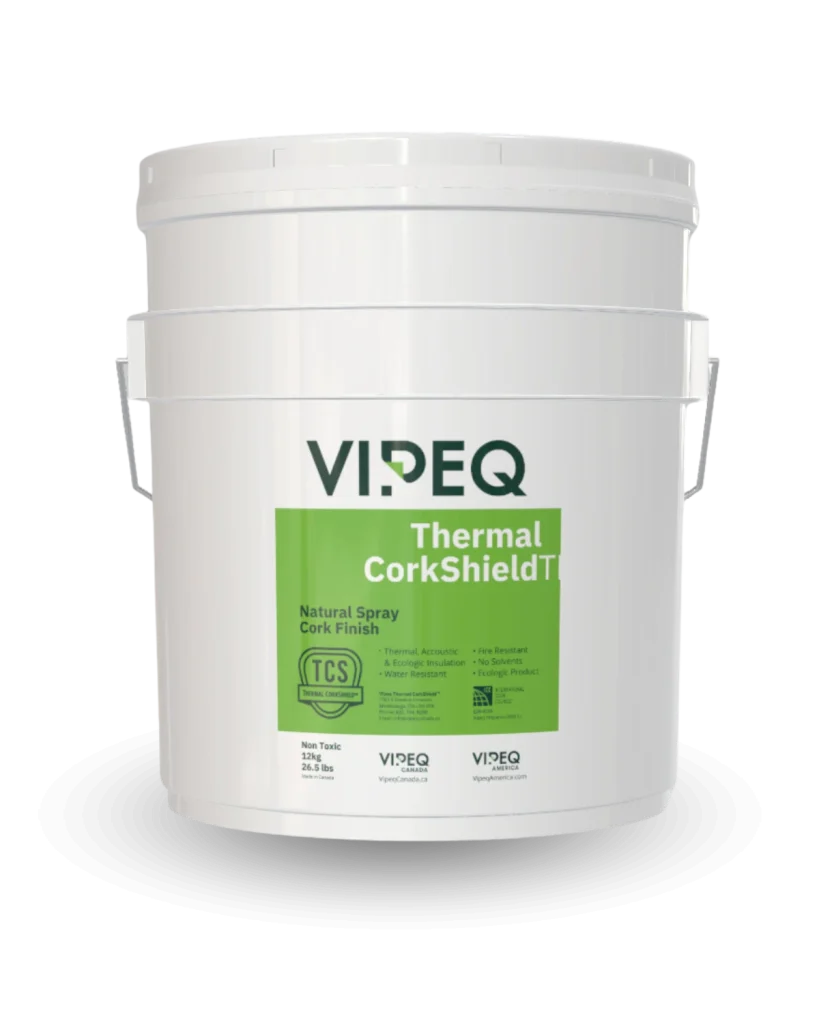
A high-performance thermal barrier coating designed for exterior walls and surfaces exposed to temperature fluctuations.
- Provides low thermal conductivity to help reduce heat transfer
- Helps mitigate thermal shock caused by rapid surface temperature changes
- Offers durability against UV exposure and oxidation
- Suitable for concrete, masonry, and stucco surfaces
F08 functions as a protective outer layer, supporting improved operating temperature regulation within building envelopes.
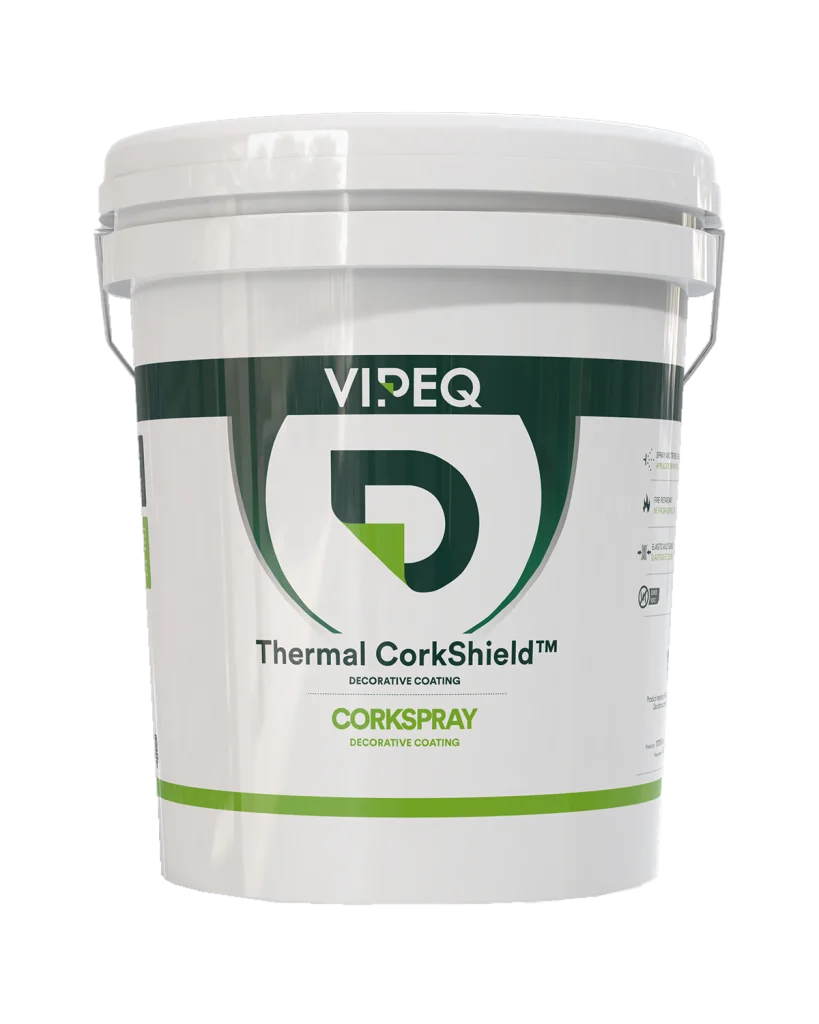
A breathable cork-based coating designed for aesthetic and protective applications.
- Provides a refined finish while maintaining thermal barrier properties
- Helps manage moisture and surface stress
- Enhances long-term durability of exterior components
F09 is ideal when both performance and aesthetic appeal are required in one integrated coating system.
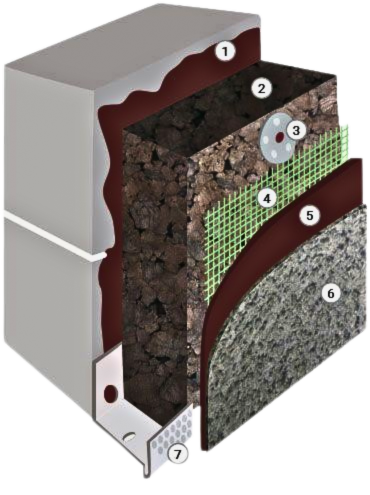
A complete thermal barrier system integrating insulation and protective coating into a unified application.
- Acts as a building-level thermal barrier
- Reduces temperature transfer through exterior walls
- Helps control thermal expansion and contraction stress
- Designed for exterior remodeling and energy-conscious construction
This integrated system functions similarly in concept to a TBC coating system used in industrial applications—providing layered protection—while being engineered specifically for architectural use.
How Thermal Barrier Coatings Work in Buildings
Traditional high temperature ceramic coating systems used in gas turbine or combustion chamber environments rely on:
- A bond coat
- A ceramic layer (often zirconia-based)
- A metallic substrate
- Controlled coating processes
These industrial thermal barrier coatings protect components under elevated temperature and extreme temperatures caused by combustion.
In building applications, the goal is different—but the science is similar.
VIPEQ® thermal barrier coatings help:
- Reduce thermal conductivity through exterior walls
- Improve thermal insulation performance
- Manage surface temperature fluctuations
- Resist oxidation from environmental exposure
- Reduce stress caused by thermal cycling
Rather than protecting turbine engines, VIPEQ® coatings protect building components from environmental temperature stress across Utah’s climate zones.
Benefits of VIPEQ® Thermal Barrier Coating in Utah
Low Thermal Conductivity
Helps reduce heat transfer across exterior wall assemblies.
Thermal Shock Resistance
Supports performance when surfaces rapidly heat and cool due to Utah’s desert and alpine conditions.
Durability Under Thermal Cycling
Designed to handle repeated expansion and contraction without premature cracking.
Moisture & Oxidation Resistance
Helps protect against water exposure and environmental oxidation of exterior materials.
Long-Term Component Protection
Functions as a protective outer layer that enhances durability of underlying building components.
Advanced Thermal Barrier Coatings for Utah’s Climate and Construction Demands
VIPEQ® thermal barrier coatings are used across:
- Residential exterior walls
- Commercial façade systems
- Exterior remodeling projects
- Energy-efficiency upgrades
From Provo to Ogden, and especially in high-heat areas like St. George, managing temperature and surface stress is critical.
Utah’s unique elevation and sun exposure make temperature management essential for long-term material performance.
While industrial thermal spray coating methods and YSZ TBC systems are used in aerospace and gas turbine applications across the United States, VIPEQ® applies coatings technology principles to architectural materials.
By focusing on:
- Low thermal conductivity
- Durable coating materials
- Controlled coating processes
- Multi-layer protection concepts
VIPEQ® delivers a building-focused alternative to rigid exterior coatings.
Selecting the right thermal barrier coating in Utah requires understanding:
- Local temperature extremes
- Surface material type
- Desired insulation performance
- Long-term durability expectations
VIPEQ® products provide a performance-driven alternative to traditional exterior coatings, offering protection, insulation support, and temperature regulation suited for Utah’s climate.
Cork it.
If you’re evaluating a thermal barrier coating for your project anywhere in Salt Lake City, West Valley City, South Jordan, Provo, Orem, Ogden, or St. George — learn more about how cork-based thermal barrier coatings can support your building’s long-term performance.