
Exterior Siding in Utah: A Smarter Alternative to Traditional Siding
Rethinking Exterior Siding for Utah Homes
Across Utah—from the red rock communities of St. George to growing neighborhoods in Lehi, Draper, Park City, and Salt Lake Valley—homeowners are re-evaluating what exterior siding should do.
Traditionally, siding has meant installing rigid materials like vinyl siding, fiber cement, wood siding, or even brick siding. But Utah’s climate—intense sun, freeze-thaw cycles, and dry air—puts these materials to the test.
That’s where VIPEQ® Thermal Cork Shield changes the conversation.
Instead of choosing between outdated siding options, homeowners now have access to a modern solution that acts as both a protective coating and a high-performance exterior siding system.
What Is Exterior Siding—and Why It Matters
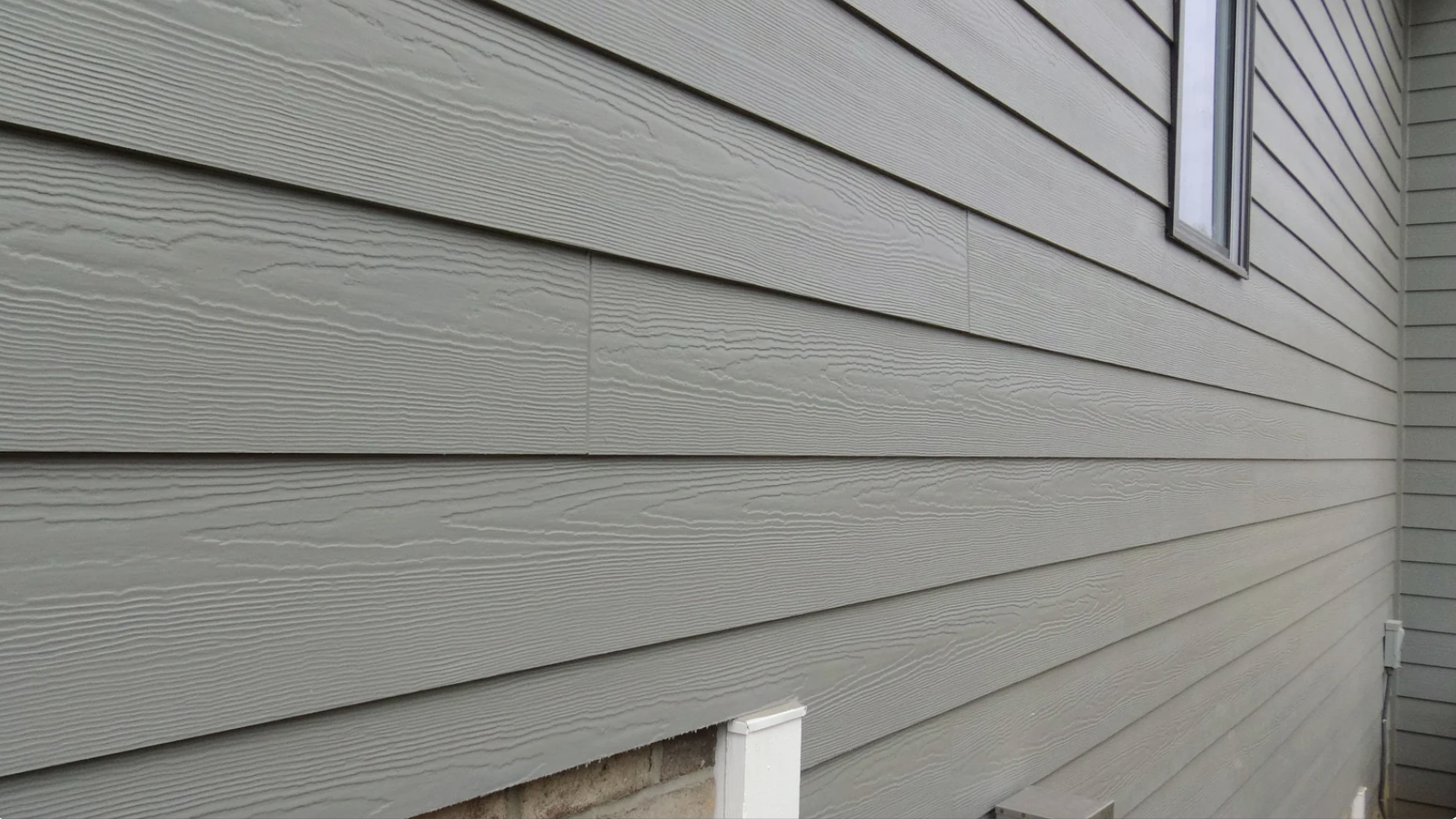
Exterior siding is the outermost layer of your home, designed to:
- Protect against weather and moisture
- Improve insulation and energy efficiency
- Define the homes exterior aesthetic
- Increase long-term durability
Common siding types include:
- Vinyl siding and vinyl panel systems
- Fiber cement siding (often associated with brands like Hardie)
- Wood siding, including natural wood siding and cedar siding
- Engineered wood siding such as LP SmartSide siding
- Metal siding like aluminum siding or steel siding
- Masonry options like brick, brick veneer, and stone veneer siding
Each siding material has strengths—but also limitations, especially in Utah’s demanding environment.
The Problem with Traditional Siding in Utah
Many homeowners invest in new siding expecting long-term performance, only to encounter common issues:
Vinyl Siding
-Warping or fading under intense UV exposure
-Limited insulation value
-Cracking in cold weather
Fiber Cement & Cement-Based Systems
-Rigid and prone to cracking
-Requires repainting over time
-Heavy installation costs per square foot
Wood & Engineered Wood
-Moisture absorption and expansion
-Maintenance-heavy (especially real wood and natural wood)
-Vulnerable to pests and rot
Brick & Stone Veneer
-High cost and labor-intensive installation
-Limited flexibility in design changes
-Can trap moisture behind surfaces
Even premium options like LP SmartSide, composite siding, or products from Royal Building Products still rely on rigid systems that don’t adapt well to Utah’s climate shifts.
A New Approach: Cork-Based Exterior Siding
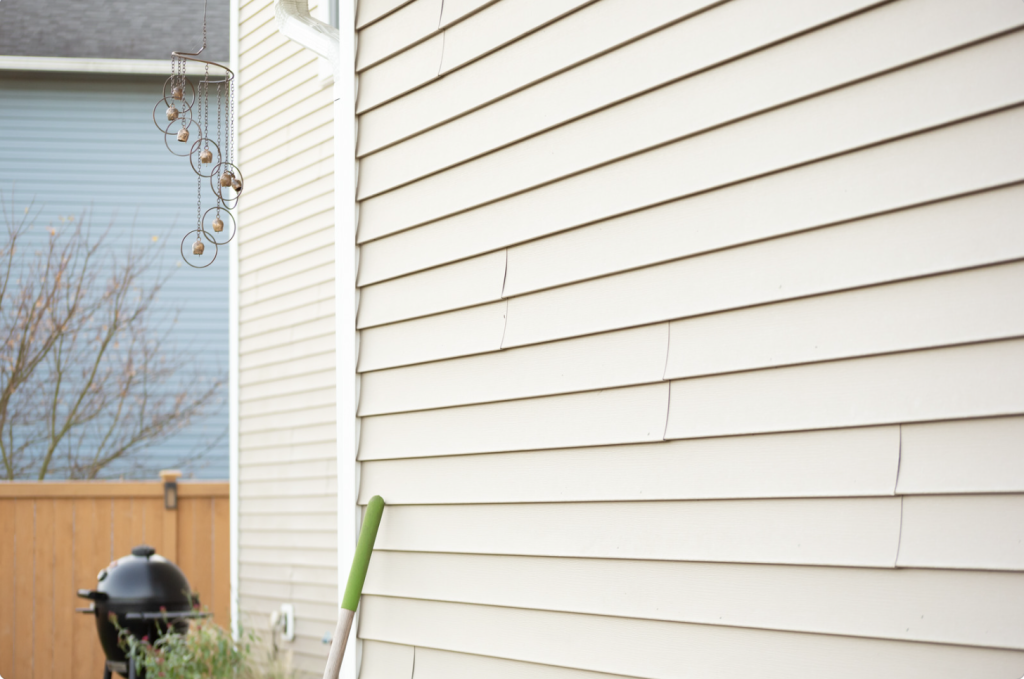
VIPEQ® Thermal Cork Shield isn’t traditional siding—it’s a seamless, spray-applied coating that functions as a high-performance exterior siding solution.
Applied directly over surfaces like:
- Existing stucco
- Fiber cement
- Masonry, including brick and stone veneer
- Wood-based materials like engineered wood or cedar siding
…it creates a flexible, breathable, and highly durable siding alternative.
Why Cork-Based Siding Works Better
1. Flexibility That Prevents Cracking
Unlike rigid cement or fiber cement siding, cork coatings expand and contract with temperature changes—reducing cracks and surface damage.
2. Breathable Yet Protective
Traditional siding materials can trap moisture. Cork allows vapor permeability while still protecting the exterior from water intrusion.
3. Energy Efficiency
The natural insulating properties of cork help regulate indoor temperatures—especially valuable in both hot southern Utah summers and cold northern winters.
4. Seamless Finish
No seams, no joints, no gaps—unlike lap siding, vertical siding, or batten siding, which all introduce potential weak points.
5. Low Maintenance
No repainting, sealing, or replacing damaged panels like with vinyl, wood, or metal siding.
Designed for Utah Living
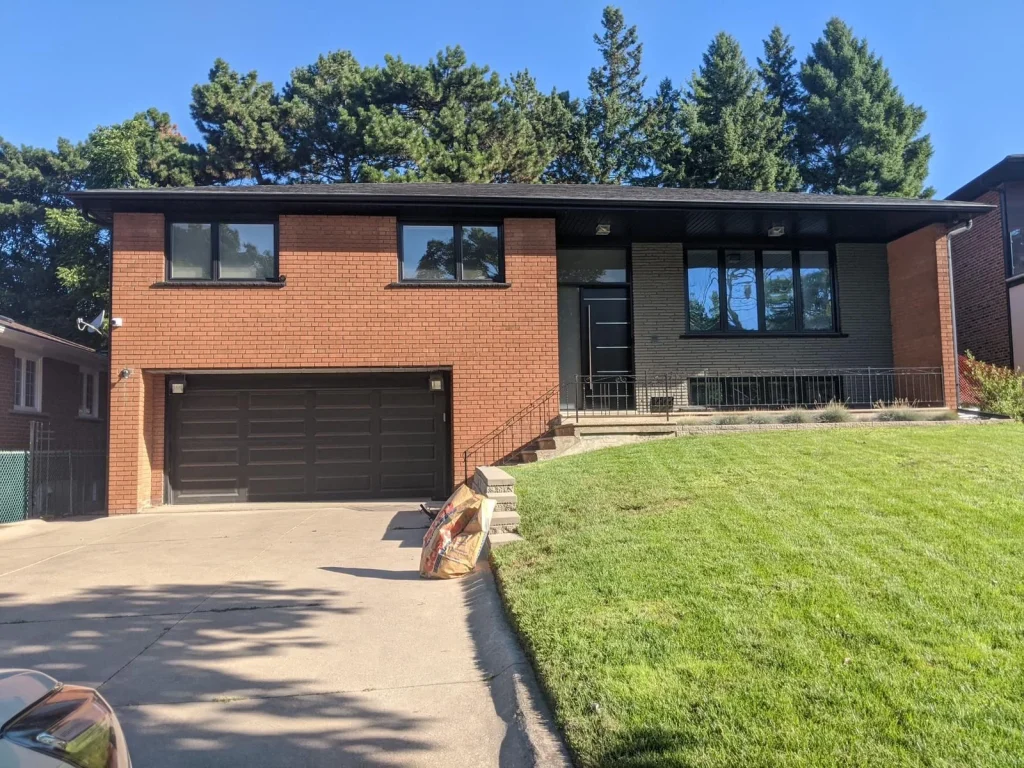
From St. George neighborhoods like Little Valley and Desert Color to Wasatch Front communities in Sandy, Herriman, and Farmington, Utah homes face:
- High UV exposure
- Rapid temperature swings
- Dry air and dust
- Occasional heavy moisture events
Traditional house siding systems struggle under these conditions. Cork-based exterior siding is engineered to perform in exactly these environments.
Aesthetic Flexibility Without Compromise
Whether your home reflects a modern mountain style in Park City or a desert contemporary look in southern Utah, VIPEQ® adapts to your preferred siding style.
It can complement or replace:
- Shingle-inspired textures
- Cape Cod style finishes
- Traditional panel or batten designs
- Rustic wood appearances without the maintenance
You get the look of premium materials like natural wood siding or stone veneer—without the drawbacks.
How It Compares to Other Siding Options
|
Feature |
Traditional Siding |
Cork-Based Exterior Siding |
|
Flexibility |
Low |
High |
|
Maintenance |
Medium–High |
Low |
|
Crack Resistance |
Low |
High |
|
Energy Efficiency |
Moderate |
High |
|
Installation |
Panel-based |
Seamless coating |
When choosing the right siding, performance matters just as much as appearance.
Ideal for Re-Siding Projects in Utah
If you’re exploring a re side guide for your home, cork coatings offer a unique advantage:
- No need for full tear-off in many cases
- Can be applied over existing siding material
- Reduces labor and disposal costs
- Modernizes your home’s exterior siding without major reconstruction
Why More Utah Homeowners Are Switching
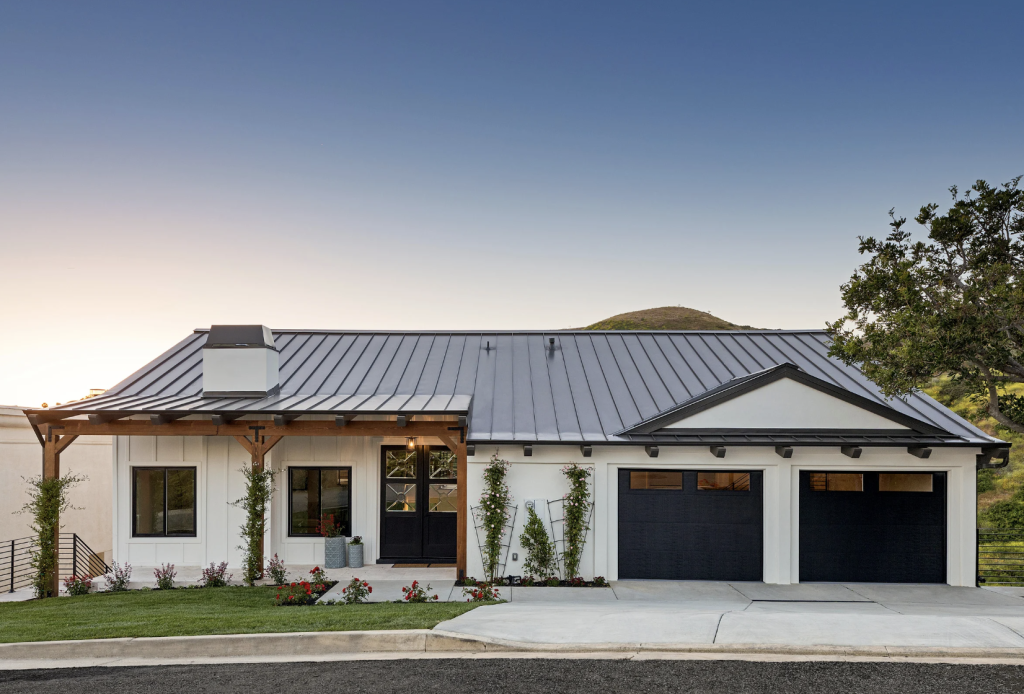
Homeowners across Utah are moving beyond traditional vinyl, wood siding, and fiber cement because they want:
- Longer-lasting performance
- Reduced maintenance
- Better energy efficiency
- A cleaner, more modern finish
VIPEQ® delivers all of that in one system.
Upgrade Your Exterior Siding with VIPEQ®
If you’re considering new siding or replacing outdated materials, it’s time to think beyond traditional options.
VIPEQ® Thermal Cork Shield provides a next-generation exterior siding solution built specifically for Utah homes—whether you’re in St. George, Salt Lake City, or anywhere in between.
Ready to Transform Your Home’s Exterior?
Discover how cork-based exterior siding can protect, insulate, and elevate your home for years to come.
Contact VIPEQ® today to learn more about this innovative alternative to vinyl siding, fiber cement, and other outdated systems.
Smarter siding starts here.